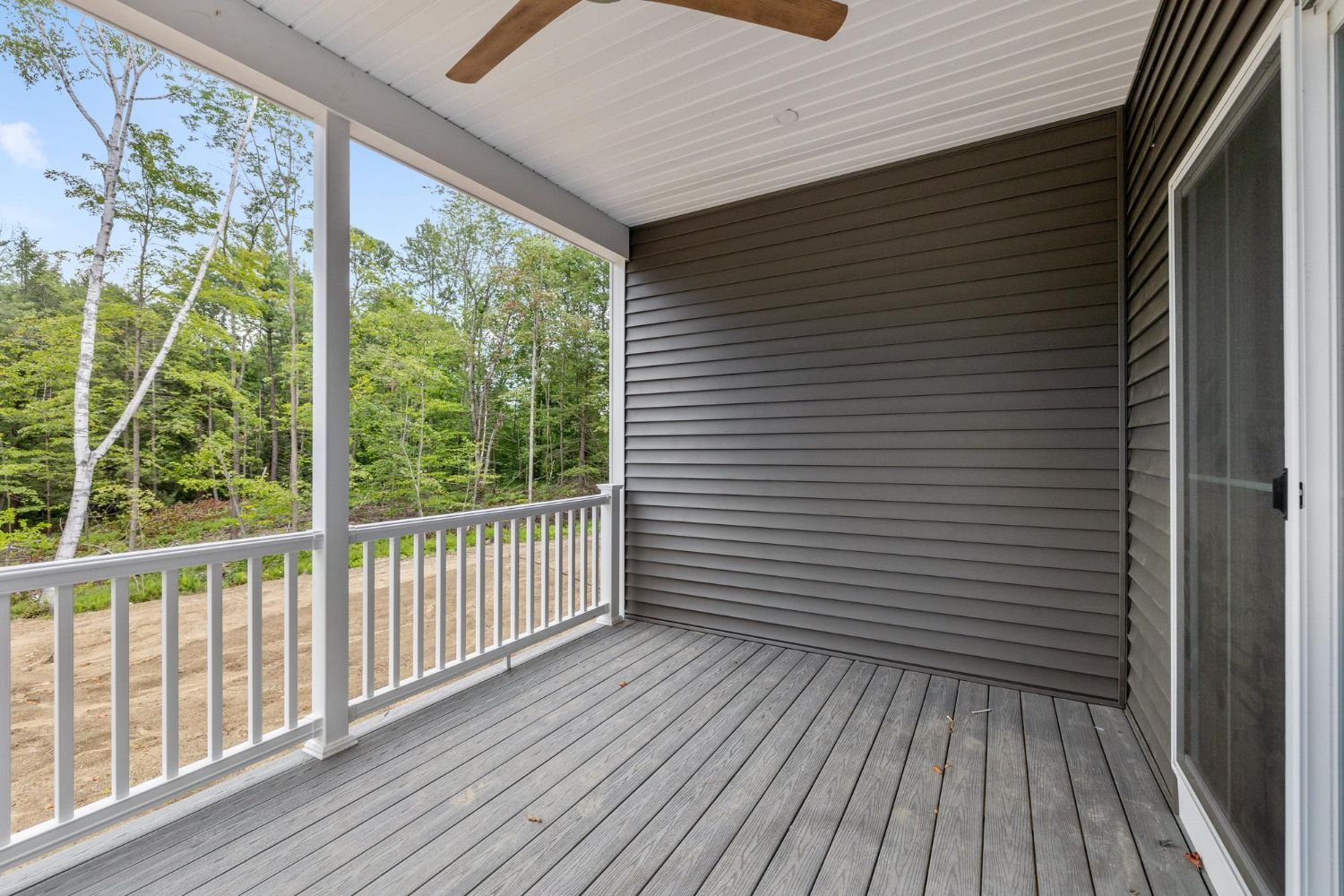
Easy Maintenance Tips for Your Retractable Screens
Retractable screens are a fantastic addition to any home, offering flexibility, comfort, and protection from insects while maintaining an open-air feel. Keeping these screens in good condition is essential to enjoy their benefits for years to come. With a bit of regular maintenance, you can ensure that your retractable screens function smoothly and look great season after season.
Maintaining your retractable screens doesn’t have to be a daunting task. Simple, routine care can prevent common issues like dirt build-up, wear and tear, and difficulties with opening and closing. Regular maintenance also helps prolong the life of your screens, saving you money on repairs and replacements in the long run. In this guide, we will cover easy and effective tips to keep your retractable screens in top shape all year round.
By following these straightforward maintenance tips, you can keep your retractable screens operating smoothly and looking their best. Whether you use your porch or patio frequently or only on special occasions, proper care will enhance your experience and preserve the quality of your screens. So, let’s dive into these easy maintenance tips and ensure your retractable screens remain a valuable part of your home.
Regular Cleaning Tips to Prevent Build-Up
One of the easiest and most effective ways to keep your retractable screens in good condition is to clean them regularly. Dust, dirt, and pollen can accumulate on the screens, causing them to become grimy and harder to operate. To prevent this build-up, make it a habit to clean your screens at least once a month, or more often if you live in an area with heavy pollen or dust.
Start by using a soft brush or a vacuum with a brush attachment to gently remove loose dirt and debris from the screen surface. This step helps avoid pushing dirt deeper into the material. Next, prepare a solution of mild detergent and warm water. Use a soft cloth or sponge to gently wipe down the screens, paying extra attention to areas with visible dirt or stains. Rinse the screens with clean water and allow them to air dry completely before retracting them back into their housing. Avoid using harsh chemicals or abrasive tools, as they can damage the screen material and frame.
Inspecting for Wear and Tear
Regular inspections are crucial for identifying and addressing minor issues before they become significant problems. Take the time to carefully examine your retractable screens every few months, looking for signs of wear and tear. Common issues to watch for include small tears or holes in the screen fabric, loose or broken components in the frame, and any difficulty in opening or closing the screens.
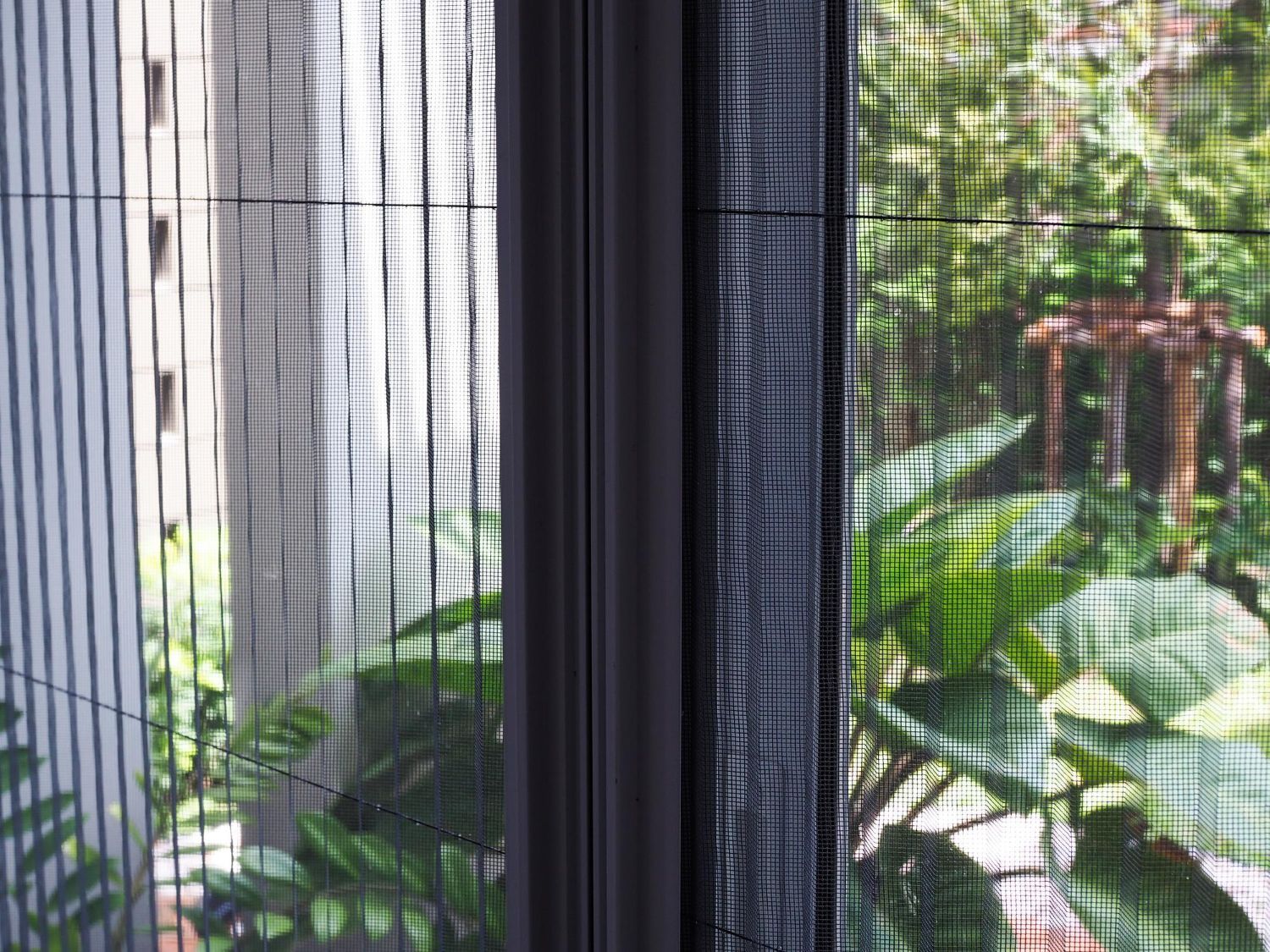
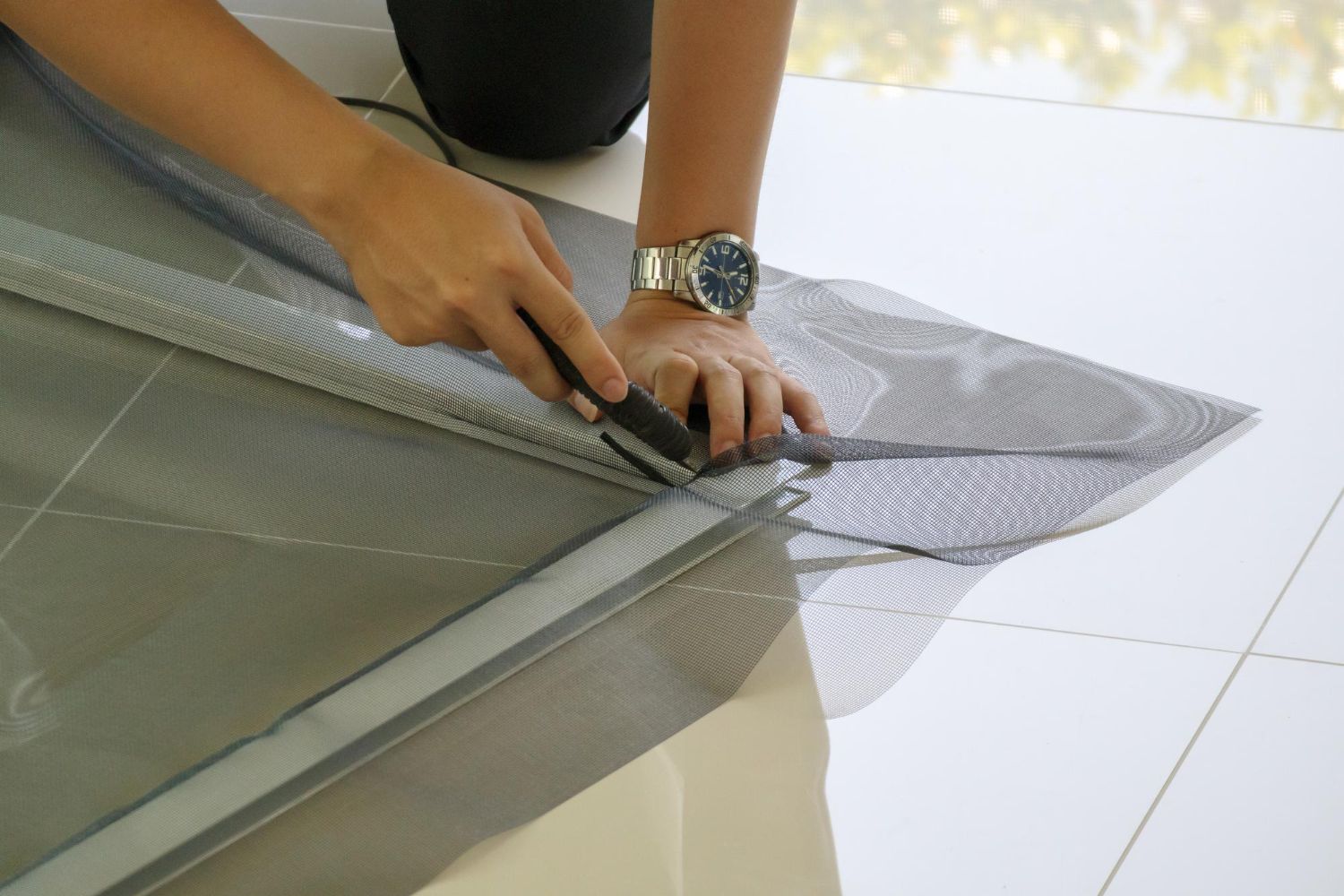
Start by extending the screens fully and inspecting the entire surface for any damage. If you find small tears or punctures, consider using a screen repair kit to fix them promptly. Next, check the frame and the tracks the screens slide along. Look for any loose screws, bent frames, or misaligned tracks. Tighten loose screws and replace any damaged parts as needed. It is also essential to check the screen’s retracting mechanism. Ensure it operates smoothly without any unusual noises or resistance. Addressing these small issues immediately can prevent costly repairs and extend the life of your retractable screens.
By maintaining a routine of regular cleaning and inspections, you can keep your retractable screens in excellent condition and avoid common problems. Simple upkeep measures make a big difference in ensuring the screens function properly and look great year after year.
Lubrication and Track Maintenance
Keeping the tracks and moving parts of your retractable screens lubricated is essential for smooth operation. Over time, dirt and debris can accumulate in the tracks, causing the screens to stick or operate less efficiently. Regular maintenance of these components can prevent friction and wear, ensuring your screens glide open and closed effortlessly.
To start, clean the tracks thoroughly. Use a vacuum or a small brush to remove loose dirt and debris. Then, use a damp cloth to wipe down the tracks, removing any remaining dust or grime. Once the tracks are clean and dry, apply a silicone-based lubricant. Avoid using oil-based lubricants as they can attract dirt and cause more build-up over time. Spray the lubricant sparingly along the tracks and wipe away any excess with a cloth.
In addition to the tracks, check the rollers and other moving parts for signs of wear. Apply the silicone lubricant to these components as well, ensuring they move smoothly without resistance. By maintaining clean and well-lubricated tracks and parts, you can prolong the lifespan of your retractable screens and keep them operating like new.
Seasonal Care and Storage
Seasonal changes can impact your retractable screens, especially if they experience different weather conditions throughout the year. Taking extra care during different seasons ensures that your screens remain in good condition no matter the weather.
In the spring and summer, when pollen and insects are more prevalent, regular cleaning becomes even more important. Increase the frequency of your cleaning routine to prevent pollen build-up and maintain a clear view through your screens. Additionally, check for any damage caused by storms or high winds, and make repairs promptly.
During the fall and winter, it may be necessary to store your retractable screens if they are not in use. Before retracting them for the season, give them a thorough cleaning and inspection. Make sure they are completely dry to prevent mold and mildew growth. Once cleaned, retract the screens fully and secure them in their housing. If your screens are equipped with a cover or case, use it for added protection against the elements.
Conclusion
Regular maintenance of your retractable screens is key to enjoying their benefits for years to come. By following these simple cleaning, inspecting, lubricating, and seasonal care tips, you can keep your screens in top condition and ensure they work smoothly and efficiently.
At Raleigh Screen Solutions, we understand the importance of maintaining your screens. Whether you need advice on upkeep or help with repairs, we're here to assist. Ready to get the most out of your
retractable screens? Contact Raleigh Screen Solutions today for expert advice and support. Let's keep your screens functioning beautifully all year round.