Tips for Detecting Wear and Damage in Porch Screens
Porch screens go through a lot. Sunlight, wind, and everyday use can wear them down without you realizing it. If you have a porch in Raleigh, NC, you know how important it is to keep it comfortable and bug-free.
Small issues can slip by, but those are often the first warnings that it is time for a porch screen repair. Learning how to catch the early signs of wear can help you take better care of your space. It keeps things safe, clean, and usable longer. Let’s walk through how to spot damage before it turns into something bigger.
Signs Your Porch Screen is Breaking Down
Not all damage jumps out right away. Some signs are pretty obvious, but others can blend in. Here are some red flags to look out for:
- Small holes that start at the edges
- Tears where the screen meets the frame
- Loose or rusted fasteners that do not hold the screen tight
- Sagging screens or parts that seem to "droop"
- Areas that feel crunchy or dry to the touch
Faded spots might not seem like a big deal at first, but they can be weaker than the rest of the screen. Over time, those weak spots get worse and open up. If pieces start pulling away from the frame, that is a clear sign it is time to act.
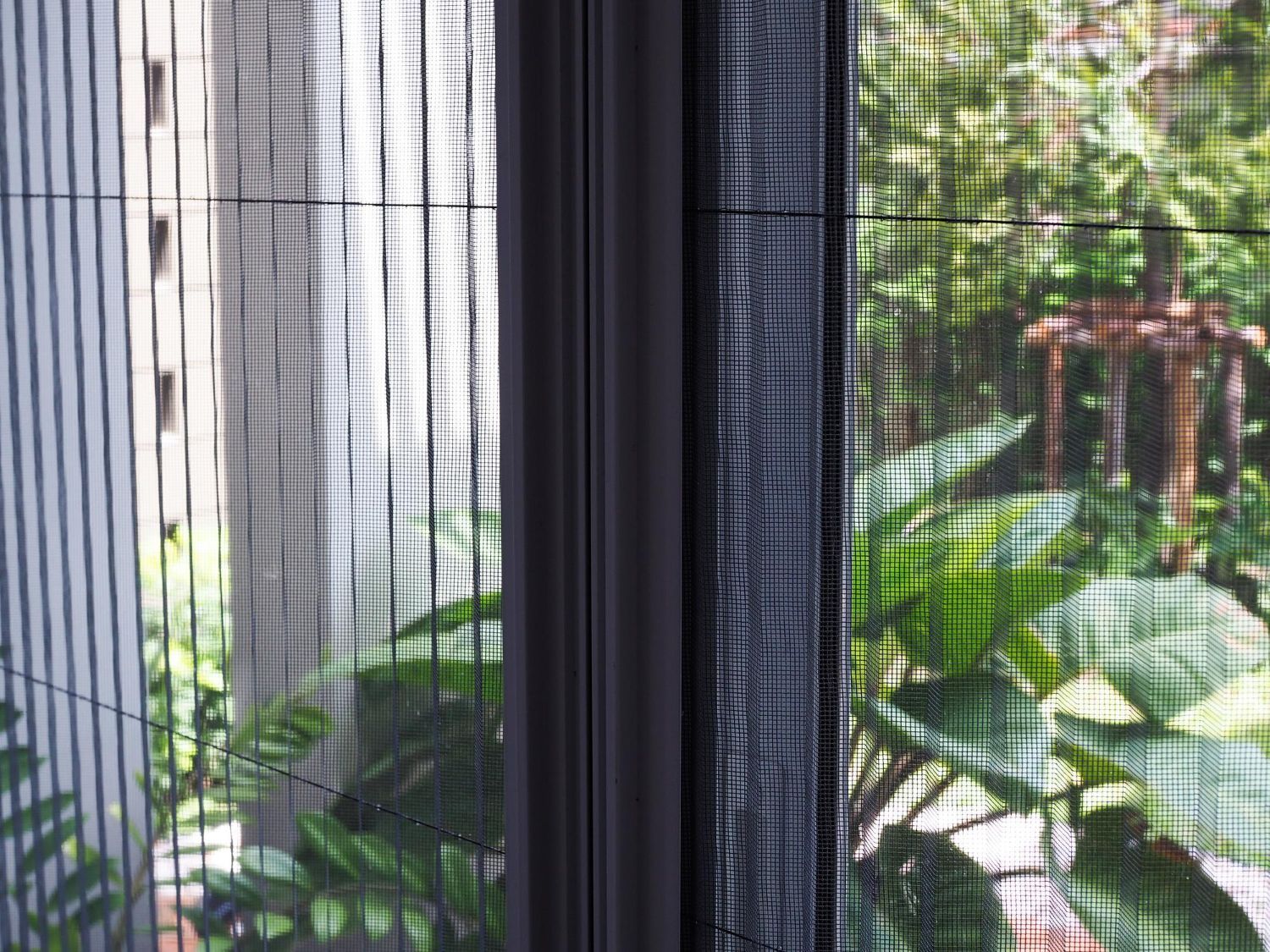
It helps to check each section of your porch screening closely. Sometimes what looks solid from a few steps back can have small gaps or damage up close. Run your fingers along the edges and listen for a crunchy sound or feel for rough spots. These subtle clues could point to bigger trouble on the way. If you notice dirt or rainwater sneaking in at the corners, that also suggests there might be a developing gap needing attention.
How Weather and Environment Can Speed Up Damage
Living in Raleigh, you see how much the weather changes. Sunny days, strong rains, gusty winds, and even heavy pollen seasons all play a role in screen wear. Even the best materials can break down quicker in the wrong conditions.
For example:
- Strong winds can push and pull on your screens, especially at corners
- Dirt and pollen cake up in the mesh and wear it out
- Sticky humidity can make parts swell or loosen in spots
- UV rays can make materials brittle over time
It is normal for screens to show signs of use. When your porch faces a mix of sun, shade, wind, or trees, it takes more of a beating. Staying ahead of that can keep your space in top shape.
If your porch sits under trees, falling leaves and branches can poke or stretch the mesh, speeding up the wear. On days when it is extra windy, check for spots where the screen is flapping or has pulled away from the frame. These little things, like pollen that clogs the mesh or rainwater pooling near the base, together add up to faster wear. Noticing these environmental effects early prevents harder-to-fix problems down the road.
Structural Trouble You Might Miss at First
Damage does not always show up where you expect. Sometimes the screen looks fine, but something underneath has started to go. Screen panels are only as strong as the structure around them.
Keep an eye out for:
- Loose beams or framing pieces near where screen panels attach
- Wobbling posts or areas that shift when pressure is applied
- Cracked wood or soft spots in framing around the porch opening
If that frame lets go or moves, the screens will not stay tight. These kinds of issues usually grow slowly. If you catch them early, repairs are simpler. If not, you could end up replacing more than just the screen.
Pay close attention after storms or during seasonal changes when wood can shift or swell. Small cracks in the frame may not be easy to spot, especially at ground level or in spots shaded by furniture. Knocking gently along beams or posts can sometimes help you feel if something is loose. These hidden issues can make even a new screen feel slack or create spots where bugs or debris sneak inside.
Why Repairs Should Be Handled by a Pro
Not all screen issues are surface-level. A general contractor can check beyond what is visible and find problems that tie into the whole structure. That matters because patching one flap or hole will not fix a screen system that has come loose over time.
Choosing a licensed contractor means:
- Potential deeper issues get spotted before they grow
- The frame, screen tension, and safety are all considered
- You get more than just a "quick fix"; the full porch is reviewed
Porch screen repair is not only about putting on new mesh. It is about making sure the structure works well today and stays strong later. That is not something most people can fully check on their own.
When pros look at a porch, they watch for things like wood rot, shifting foundations, and weathered joints, details that might be missed during a quick clean-up or simple re-mesh job. Getting this complete look helps your porch stay sturdy and lets you use it with confidence. Cutting corners on repairs might mean trouble shows up all over again before long.
Simple Checks You Can Do Between Visits
You do not need to wait until things fall apart. Even without tools or training, there are a few gentle ways to stay in front of screen damage. Make it something you do along with other outdoor upkeep.
Try:
- Pressing gently in the middle of each screen panel to feel for loose areas
- Watching how retractable or sliding panels move; slow or bumpy tracks can mean misalignment
- Looking after storms for debris or new tears that might have gone unnoticed
Catching these small signs can help you know when to call in a repair. It gives you peace of mind and helps avoid surprises.
Once you make these inspections part of your regular routine, it becomes easier to spot patterns or repeated trouble spots, like one corner that always seems to loosen up or a certain panel that warps in the sun. You might even notice your space feels drafty or spot a sudden increase in bugs. That is another clue that a small gap has opened up somewhere. The more you look, the more confident you will be in catching repairs early, which saves both stress and effort down the road.
Keep Your Porch Strong and Comfortable
Your porch should feel like a peaceful spot. By watching for wear and knowing what signals to look for, you can keep it that way all year. Screens that are not working right can invite bugs, heat, or messes that take away from that comfort.
Checking in on your porch does not have to be a big task. A few minutes here and there, paired with help when needed, grow into something reliable. It adds to the life of your space and helps avoid bigger repairs later on. Keeping your screens tight and your structure strong leaves more room for quiet mornings, family dinners, and whatever you use your porch for.
Noticing small signs of wear on your porch screens can signal that issues might worsen if not addressed early. Weak spots, loose corners, or stretched sections may seem minor, but can quickly lead to bigger problems with the weather at play. Regular care keeps your porch safe and comfortable, and our team at Raleigh Screen Solutions is here to help with reliable
porch screen repair. Reach out to us if you need support.