Retractable Awning Size Guide for Comfortable Outdoor Living
How the Right Awning Size Transforms Your Outdoor Space
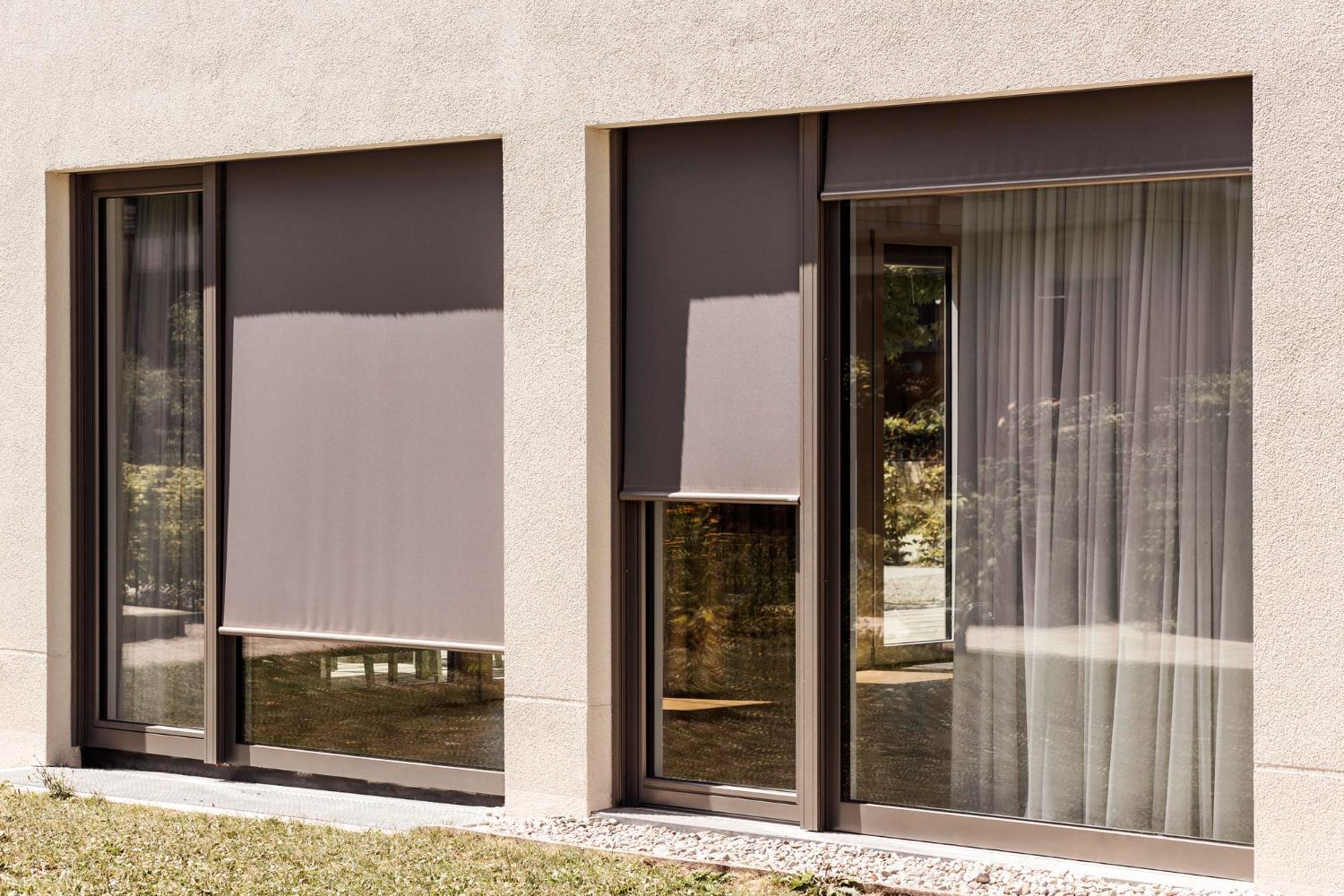
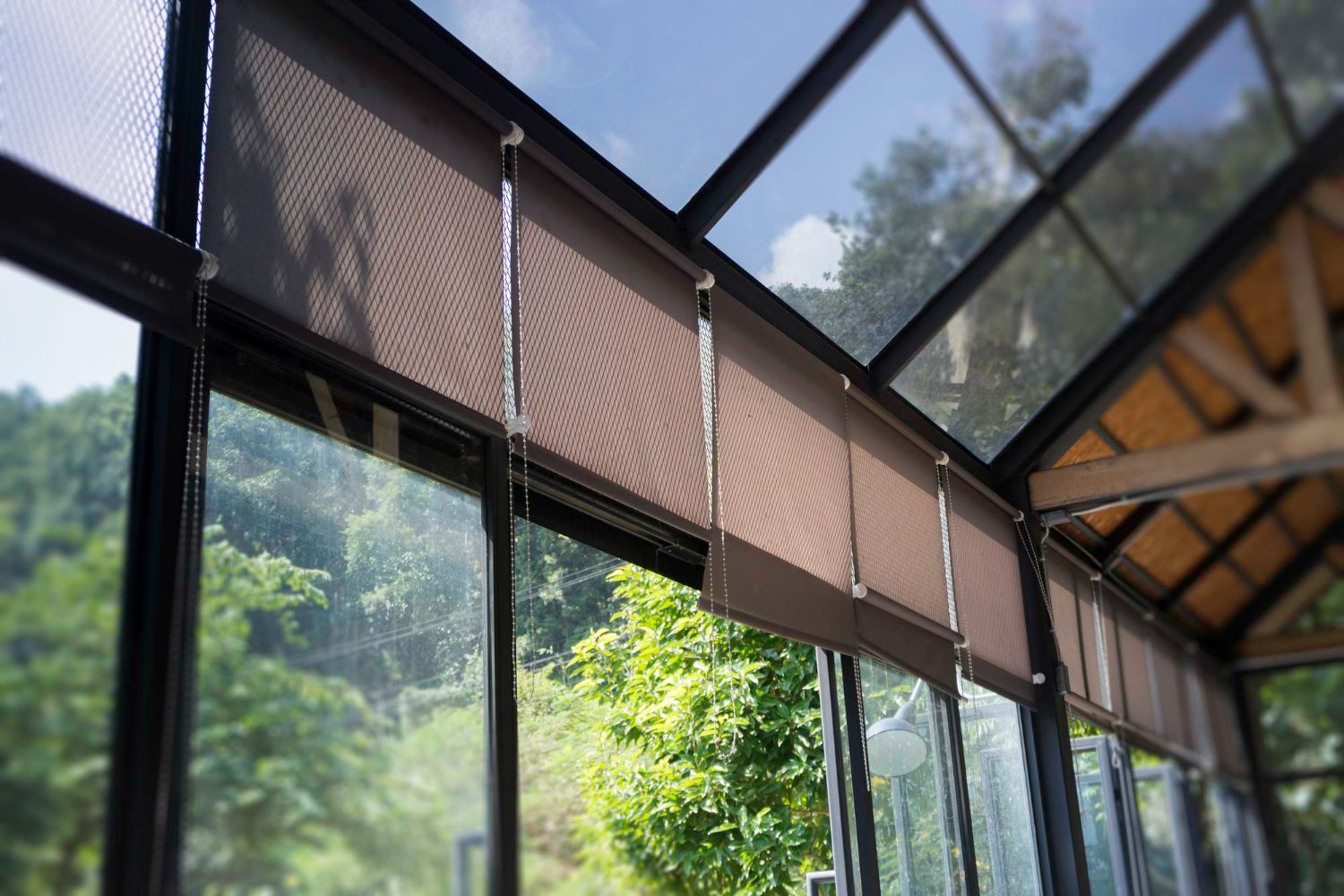
A retractable awning is a mounted shade structure that extends and retracts over your porch, patio, or deck with a simple control. It gives you flexible shade when you want it and open sky when you do not. For many homeowners, the right awning turns an underused slab of concrete or hot deck into a comfortable outdoor room.
Awning size has a direct impact on how often you actually relax outside. Width affects how much of the space is covered, while projection controls how far the shade reaches across your seating or dining areas. If either measurement is off, you can end up with sun on your table, glare in your eyes, or a cramped feel near doors and walkways. When both are sized correctly, the space feels natural, comfortable, and easy to move through.
At Raleigh Screen Solutions, we work with porches, porch conversions, and decking layouts every day in the Raleigh-Durham area. That gives us a clear picture of how an awning should interact with railings, screened openings, and outdoor traffic patterns. We look at awning sizing as part of a complete set of screen solutions so your shaded area feels like it was always meant to be part of your home.
Understanding Awning Width and Why It Matters
Awning width is the measurement across the wall where the unit is mounted. In simple terms, it is how wide the shade is from side to side. It needs to relate to the actual wall space available, the position of doors, and how people flow between inside and outside.
When we plan width, we consider details such as:
- Location and swing of patio or porch doors
- Openings from screened porches to decks or steps
- Existing porch column spacing
- Rooflines, overhangs, and gutter placement along that wall
If an awning is too narrow, you might only get shade on part of your seating or only on one side of a table. Go too wide without proper structure and the awning can look out of proportion or interfere with architectural elements like downspouts and trim. That is why bigger is not always better.
Common widths span a range that can usually cover a single door area, a double door and adjacent windows, or a full porch opening. The right call depends on:
- How much of the outdoor area you actually use
- Where your main seating or dining zone sits
- How the awning will visually line up with porch screening or railing
As a contractor who focuses on porch and patio screen solutions, we pay close attention to how the awning width will meet screened walls or open deck edges. The goal is a clean, intentional look, not something tacked on as an afterthought.
Getting Projection Right for Shade and Comfort
If width is the side-to-side dimension, projection is the front-to-back reach of the awning. It is how far the fabric extends from the wall or soffit when it is fully open. Projection is just as important as width, because it decides how deep the shade will be across your porch or patio.
Projection is chosen based on several practical factors:
- Sun angles and where direct light hits during the day
- Placement of sofas, tables, and lounge chairs
- How you move between indoor rooms, screened porches, and decks
For example, if your main seating sits several feet away from the house wall, a short projection may leave that area in bright sun. On the other hand, an awning that projects too far for the available mounting height or structure can feel heavy, obstruct views, or create clearance issues with railings and steps.
Trained contractors calculate safe projections based on:
- Mounting height on the wall or fascia
- Strength and type of structure behind the mounting surface
- Required slope so water runs off the fabric properly
Instead of guessing or using a one-size-fits-all option, we match projection to your specific layout. The result is shade exactly where you need it, without a bulky or awkward feel.
Key Site Factors That Influence Awning Sizing
Every home is different, and the site itself drives many sizing decisions. Before we recommend an awning size, we look closely at the overall outdoor area and how it connects to the rest of your home.
Major site considerations include:
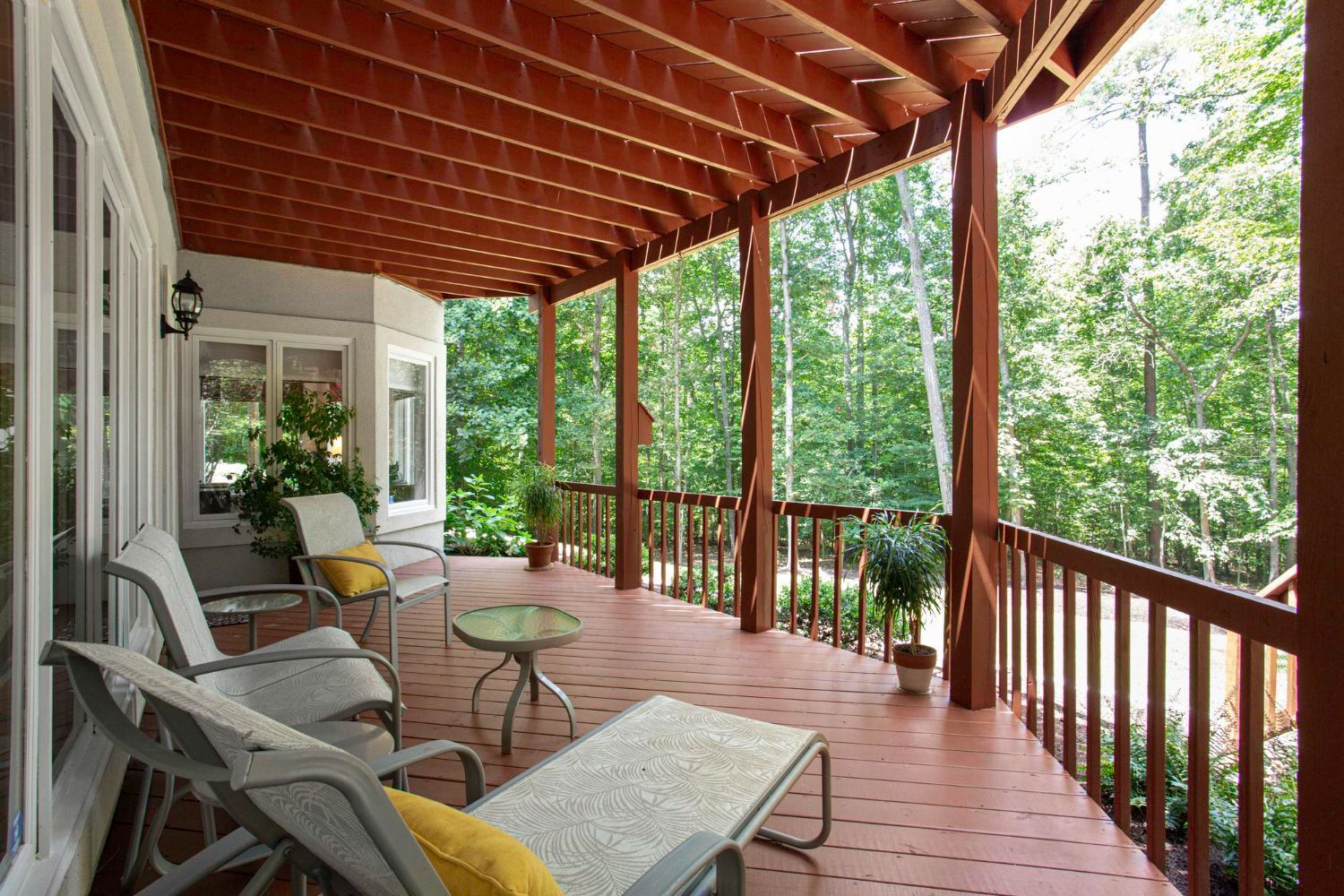
- Porch or patio dimensions and shape
- Ceiling or soffit height where the awning will mount
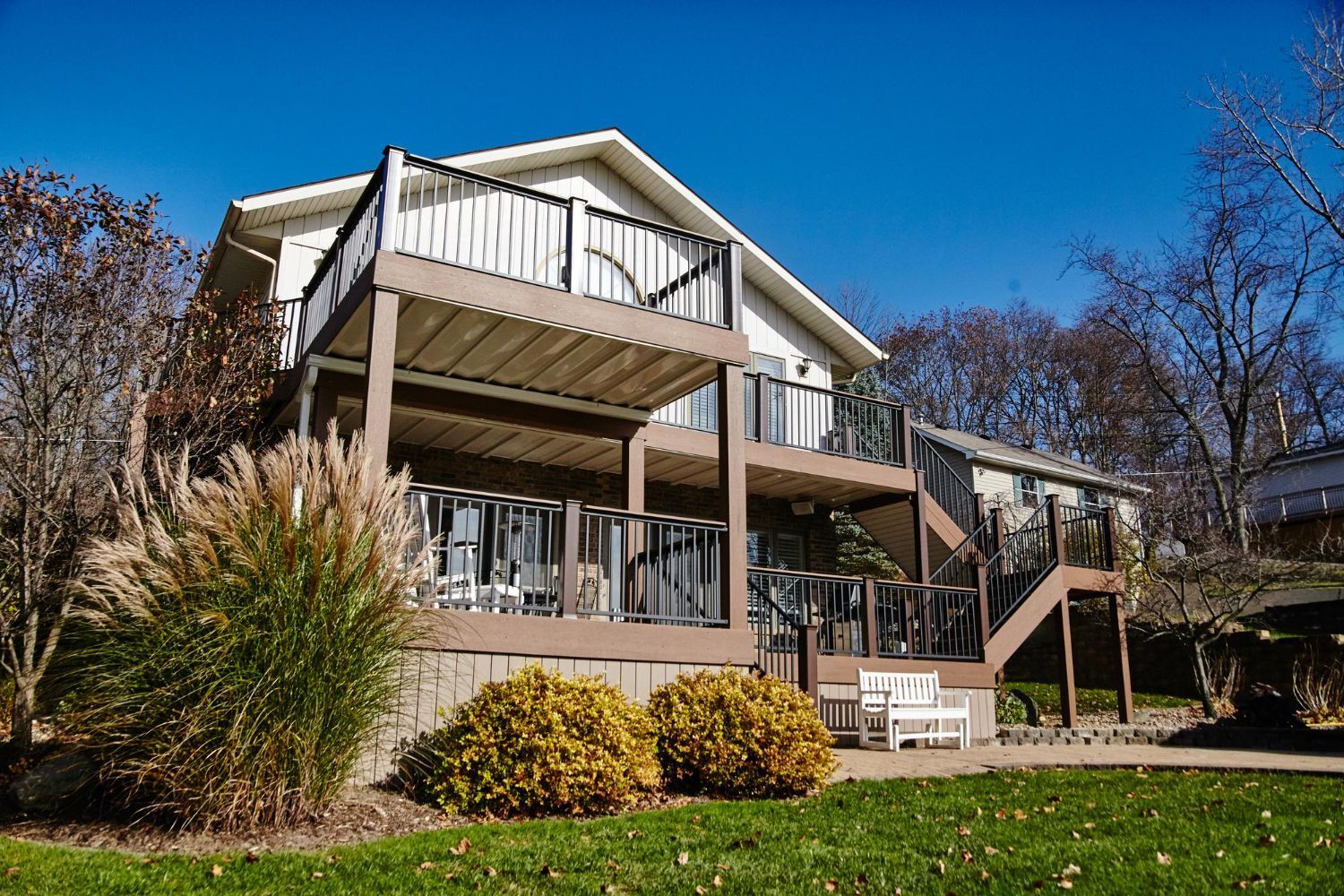
- Deck layout, including steps and railings
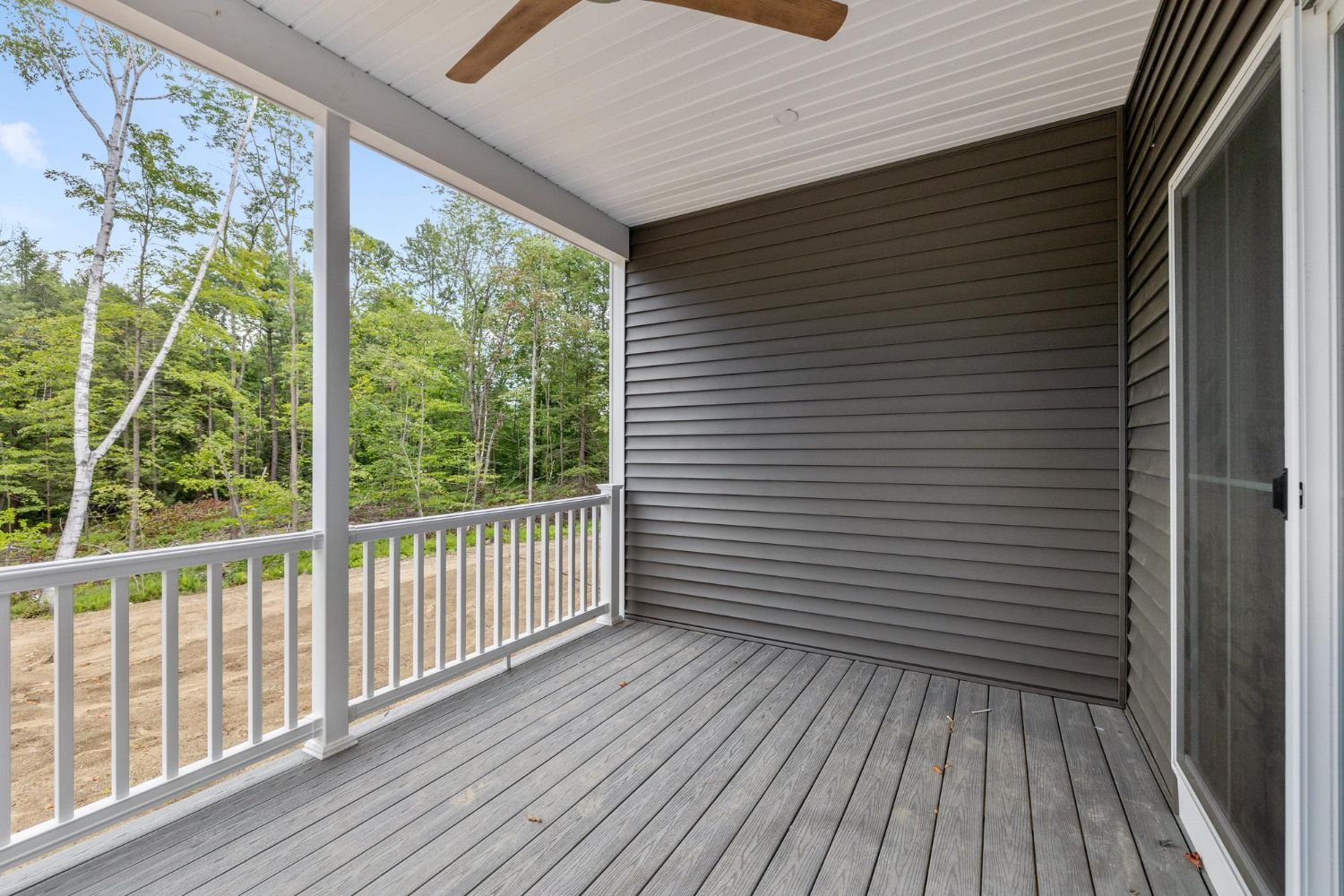
- Existing or planned porch screening or porch conversions
Wind exposure matters as well. A wide, fully exposed deck at the back of a home may call for different sizing and placement than a recessed porch with side walls. The mounting surface is another key factor, whether it is brick, siding, or structural framing. Each one affects where brackets can safely attach and how wide and deep the awning can realistically be.
Nearby features like landscaping, privacy fences, or neighboring homes also play a role. An awning that is too tall or too deep might block a preferred view or feel too close to shrubs and trees. A professional home visit and measurement help avoid:
- Blocked sightlines from interior rooms
- Awkward clearances at doors and walkways
- Gaps in coverage that leave part of your seating in direct sun
By working through these details on site, we can size your awning so it feels natural with your home and other outdoor improvements.
Integrating Awnings with Porch Screening and Deck Projects
Retractable awnings work especially well when they are planned at the same time as porch screening, porch conversions, or new decks. When these projects are coordinated, the awning does not compete for space with posts, railings, and screens. Instead, everything fits together like a single design.
During layout planning, we look at:
- Main walkways from doors to seating, grills, and steps
- Door swings and how far doors project when fully open
- Grill placement to keep heat away from the awning
- Primary seating zones and any future furniture changes
For example, if a screened porch opens to an uncovered deck, we can size and position the awning to shade a specific portion of that deck where you plan to sit most often. We can also align awning width with screened openings so the space reads as one cohesive outdoor room.
Because Raleigh Screen Solutions handles porch screening, porch conversions, and decking, we can coordinate all measurements together. That means the awning mounting line, screen framing, and deck edges are designed as a single system. The finished space feels organized and intentional, not pieced together with conflicting dimensions.
Work with Raleigh Screen Solutions for the Perfect Fit
Choosing the right retractable awning size is not about guessing from a catalog. Width, projection, mounting height, structure, and surrounding features all work together to determine how comfortable and inviting your porch, patio, or deck will feel.
As a local general contractor focused on outdoor screen solutions in the Raleigh-Durham area, we bring a porch-first mindset to awning sizing. We pay attention to how your awning will interact with screened porches, porch conversions, and decks so you get shade where it matters, clear walking paths, and a balanced look on your home.
Professional sizing and installation give you:
- Shade that matches your actual furniture layout
- A safer, structurally sound installation
- An outdoor space that feels unified and easy to use
When you are ready to turn your porch or patio into a more comfortable outdoor living area, working with a team that understands both screening and awnings is the simplest way to get the fit right the first time.
Get Started With Your Project Today
If you are ready to upgrade your home or business, our customized Screen Solutions make it simple to get the right fit the first time. At Raleigh Screen Solutions, we listen to your needs, evaluate your space, and recommend options that match your budget and style. Reach out today so we can answer your questions, provide a clear estimate, and schedule your service. You can also contact usto discuss the details of your project.