Raleigh Deck Screen Enclosures: Permits, HOA Rules, and Structural Requirements
Plan Your Screened Deck Right the First Time
Planning a screened deck enclosure is not just about picking screens and finishes. It starts with making sure your deck, your home, and your neighborhood rules all work together. When you plan things in the right order, your project goes smoother, your build stays on track, and you end up with a space you enjoy for years.
At Raleigh Screen Solutions, we are a licensed North Carolina general contractor that focuses on long-lasting, code-compliant screened porches and custom screen enclosures. Because we work across the Triangle, we see the same problems again and again: permits that were skipped, HOA rules that were not checked, or decks that were never designed to hold a roof. Clearing those issues early protects your home and keeps your project from getting stuck halfway through.
Every successful screened deck enclosure has to clear three big hurdles before construction starts: city or county building permits, HOA or neighborhood approvals, and structural and safety requirements so the structure can safely support its new load. When those three pieces are handled in the right order, the actual build phase is usually much smoother.
Understand Raleigh Area Permits Before You Design
One of the first questions is whether your home is located and which office has authority over your project. Around the Triangle, rules can change from one street to the next. Raleigh, Cary, and Apex each have their own permitting processes, and then there are areas under Wake County or other nearby counties. Two decks that look the same can face slightly different requirements simply because of which jurisdiction they are in.
In general, converting an open deck into a screened enclosure often triggers a permit. You may need a permit when you tie a new roof into your existing house, add or change structural posts, beams, or footings, adding electrical items such as ceiling fans, outlets, or recessed lights, or change stairs, exits, or guardrails from the deck.
Permits exist to protect you and your home, not to slow your project. That said, they do require clear information, and a typical permit package can include:
• Scaled drawings or plans of the existing deck and proposed enclosure
• A site plan that shows property lines, setbacks, and the location of the deck
• Notes on electrical work, roofing, and structural members
• Required inspections at key stages, such as framing and final
For most homeowners, putting all of this together on their own is stressful and confusing. This is where working with a licensed general contractor makes a real difference. We handle the drawings, coordinate with the permitting office, and build the project to meet North Carolina building codes. That helps prevent surprises later, such as failed inspections or required changes after work is already built.
Navigating HOA Rules Without Slowing Your Project
Many Triangle neighborhoods have HOAs or architectural review boards that want to approve changes to the exterior of your home. Screened decks and custom screen enclosures almost always count as a change, especially if they involve a roof or visible framing. HOAs commonly focus on how the addition looks and how it fits within neighborhood standards, including rooflines, materials, colors, and overall visibility.
Common HOA requirements for these projects often include:
• How the new roofline lines up with the existing house
• Approved siding, trim, and roofing materials
• Color palettes for posts, rails, and fascia
• Height limits and setbacks from property lines
• How the structure looks from the street or common areas
Most HOAs use an architectural review process. In practice, that usually means completing an application and submitting documentation that shows exactly what you plan to build and how it will match the home and community standards.
• Filling out an application form
• Providing drawings, renderings, or photos of the proposed enclosure
• Showing how materials and colors match the existing home
• Waiting through a set review period while the committee looks at your plans
This step can be slow if the first submittal is missing information. To keep things moving, it helps to present a complete package the first time, with clear drawings and design choices that minimize questions or objections.
• Use professional drawings that clearly show dimensions and elevations
• Match existing roof shingles, trim details, and paint colors wherever possible
• Show how water will drain away from the new structure
• Address privacy concerns, like screen height or knee walls, if homes sit close together
• Work with a contractor who already understands what many Triangle HOAs expect
Having HOA approval in hand before construction starts keeps everyone on the same page and helps your project avoid stop-work orders or design changes in the middle of the build.
Structural Safety Basics for Screened Deck Enclosures
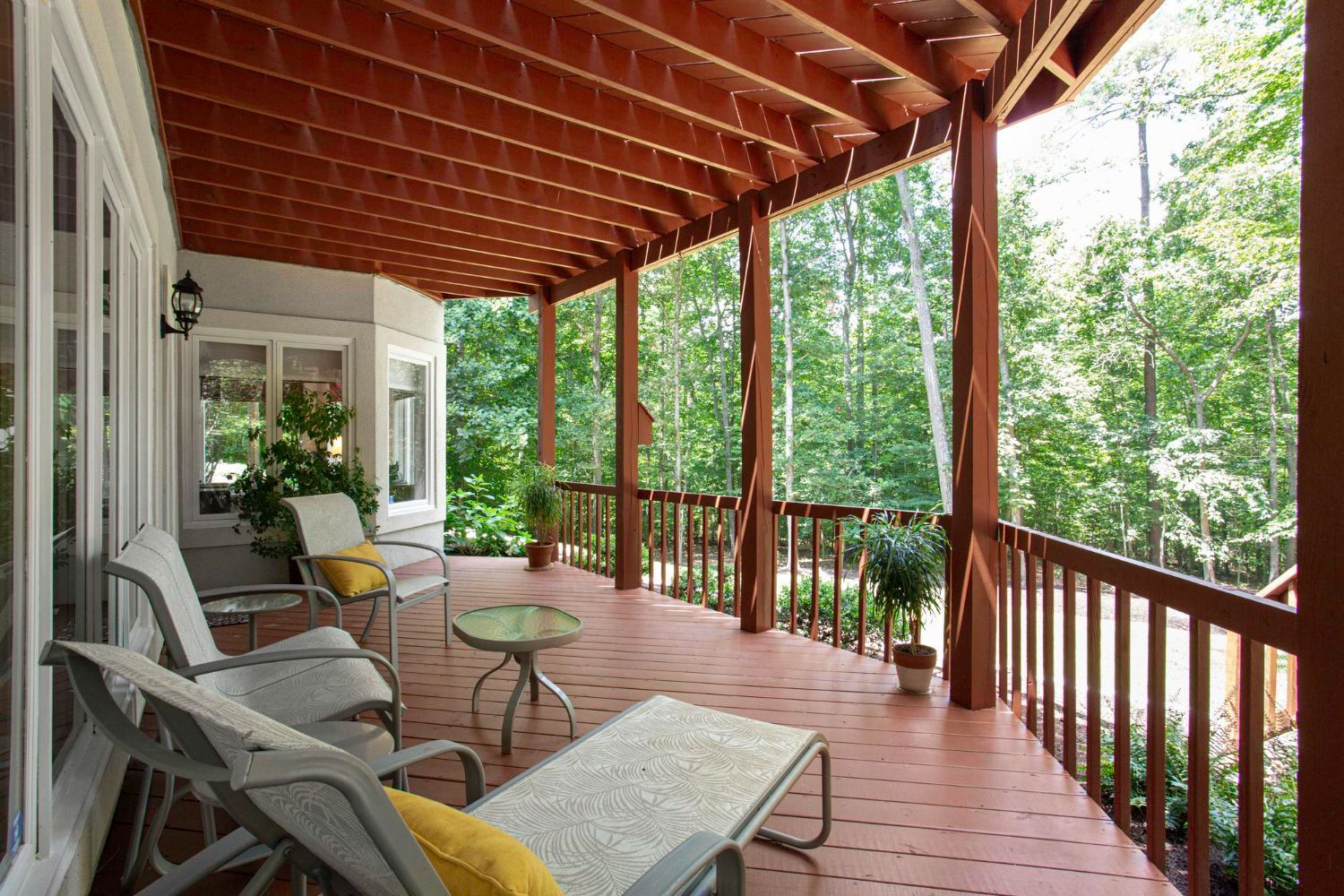
Not every existing deck is ready to carry a roof, walls, and screens. Open decks are usually designed for people and furniture, not for the extra weight and forces that come with an enclosed structure. Before you think about finishes or screen type, the structure has to be checked. A proper structural review looks at the deck’s foundation, framing, attachments, and stability to confirm it can safely handle the added loads.
It looks at:
• Footings and posts, to confirm they are sized and spaced for the added load
• The ledger board, including attachment to the house and flashing details
• Beam and joist sizing, spacing, and condition
• Lateral bracing, so the enclosure does not sway or rack in wind
• Guardrail and stair conditions, to be sure they meet current code
Sometimes, a deck that feels fine as an open space needs upgrades before it can safely hold a roof. That might mean larger posts, deeper footings, added beams, or new connections to the house. As a licensed general contractor, we handle these structural upgrades as part of the project, not as an afterthought.
North Carolina building codes also shape how screened spaces are built. These rules affect both the structural design and the safety details that inspectors will check, and they help ensure the enclosure performs well in everyday use and in severe weather.
Some of the main items that come into play include:
• Wind loads, especially on taller walls and roof structures
• Live loads on decks, which affect joist and beam sizing
• Guardrail rules around elevated floors
• Door and egress needs, so people can exit safely
• Use of proper fasteners, connectors, and decay-resistant materials
When those pieces are addressed upfront, you get an enclosure that not only passes inspections but also feels solid and secure in everyday use.
Designing Custom Screen Enclosures for Raleigh’s Climate
Once permits, HOA rules, and structure are on the right track, it is time to think about how the space will actually feel and function. Custom screen enclosures in the Raleigh area need to handle heat, humidity, pollen, and regular storms, while still feeling open and welcoming.
Good design starts with how your deck sits in relation to the sun and yard. A screened deck can become a three-season space if you plan for:
• Where morning and afternoon sun hits
• Shade from trees, nearby houses, and the home itself
• Door placement for easy flow between the house, the deck, and the yard
• Views you want to frame and views you prefer to block
Screen and framing choices also play a big part because they affect durability, visibility, airflow, and how “finished” the space feels. Some common options include:
• Standard insect screens for general use
• Pet-resistant screens for homes with dogs or active children
• Solar or privacy screens that cut glare and add a bit more seclusion
• Knee walls, which give a more room-like feel and protect lower screen areas
Motorized screens can also be part of a custom design. These can open wide when the weather is perfect and close when you want shade or bug protection. They are especially helpful on larger openings where you want to keep a wide, open view of the yard.
Comfort upgrades often shape both design and permitting, because features like lighting, fans, or heat need to be planned around electrical circuits, framing, and code requirements. Common upgrades include:
• Ceiling fans to keep air moving
• Heaters or fireplaces to stretch use into cooler months
• Recessed or accent lighting for evening use
• Low-maintenance decking and trim that hold up to humidity and pollen
Each of these elements needs to be worked into the plan early, so electrical circuits, framing, and clearances are all correct. When everything is designed together, the finished enclosure looks and feels like it was always part of your home, not something that was tacked on later.
From Vision to Build Date with Raleigh Screen Solutions
Turning an open deck into a screened retreat starts long before the first post is set or the first screen is installed. The best projects follow a clear path: confirm permits, secure HOA approval, evaluate and upgrade structure as needed, then fine-tune the design for comfort and daily use.
Before you meet with a contractor, it helps to gather a few basic items:
• Any HOA guidelines or architectural review documents
• A copy of your property survey, if you have one
• Photos of your existing deck from different angles
• A few inspiration photos that show the style of enclosure you like
With that information in place and a licensed North Carolina general contractor overseeing design, permitting, and construction, your screened deck can move from idea to finished space with fewer delays and a lot more confidence.
Get Started With Your Project Today
Transform your outdoor space into a more comfortable, bug-free retreat with our tailored
custom screen enclosures. At Raleigh Screen Solutions, we listen to your goals, assess your porch or patio, and recommend designs that fit your home and lifestyle. If you are ready to talk through options, budget, and timelines, reach out through our
contact us page so we can help you plan the next steps.