Motorized Screens on Open Decks in Raleigh: Options and Weather Risks
Enjoy More Days Outside with Smarter Screen Solutions
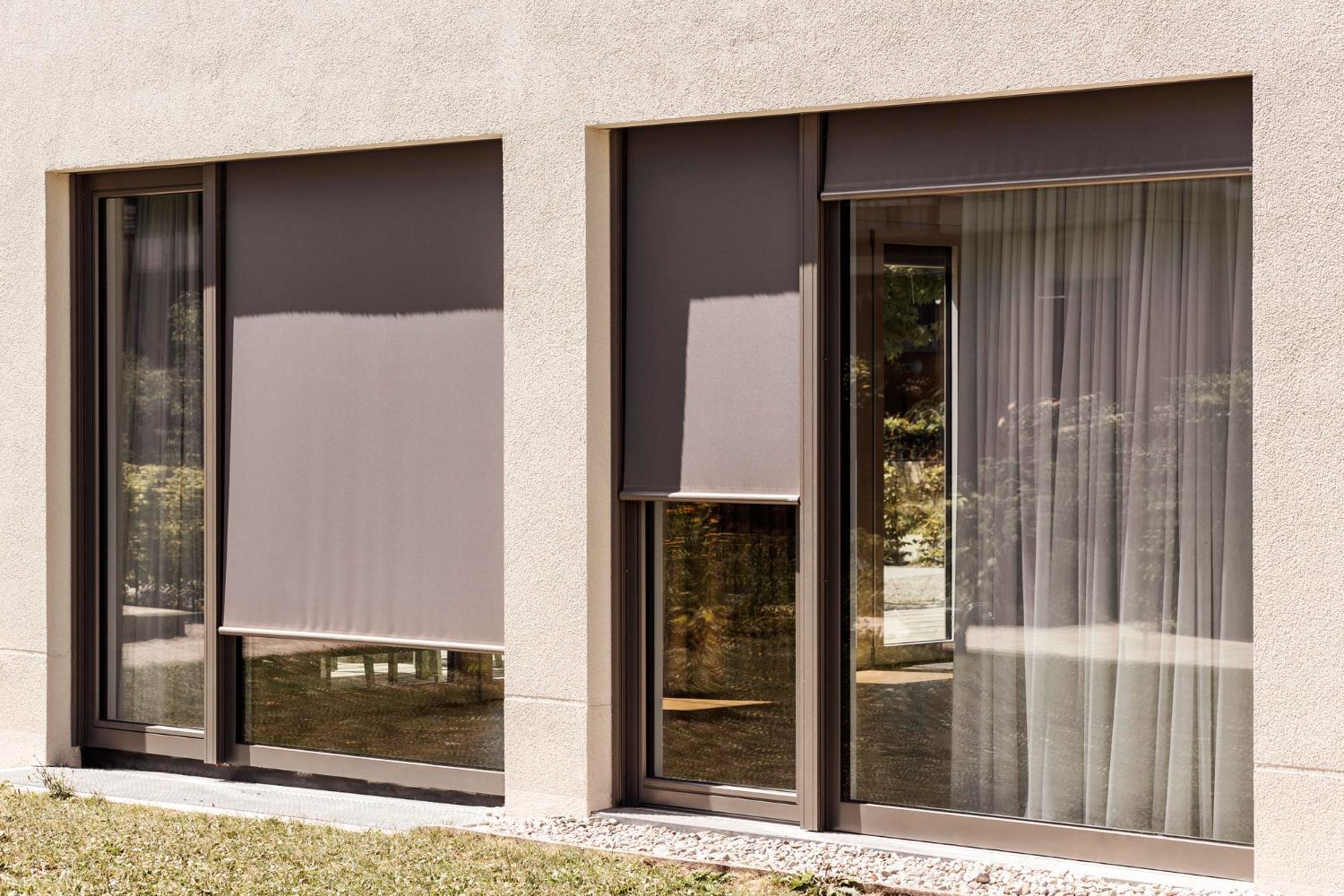
Motorized porch screens can turn a hot, buggy deck into a space you actually want to use. The trick is matching the right screen system to the right structure, especially when you are working with an open, uncovered deck. That is where careful design and a clear plan really matter.
At Raleigh Screen Solutions, we work with homeowners across the Triangle to screen porches, add motorized screens, and build custom outdoor enclosures. Many people ask if they can put motorized screens on an open deck without a roof. The short version is that these systems are designed to handle common comfort issues like direct sun and glare, light to moderate breeze, mosquitoes and other insects, and some heat and light rain when they are installed under a roof. They are not built to be a full weather wall on an open deck.
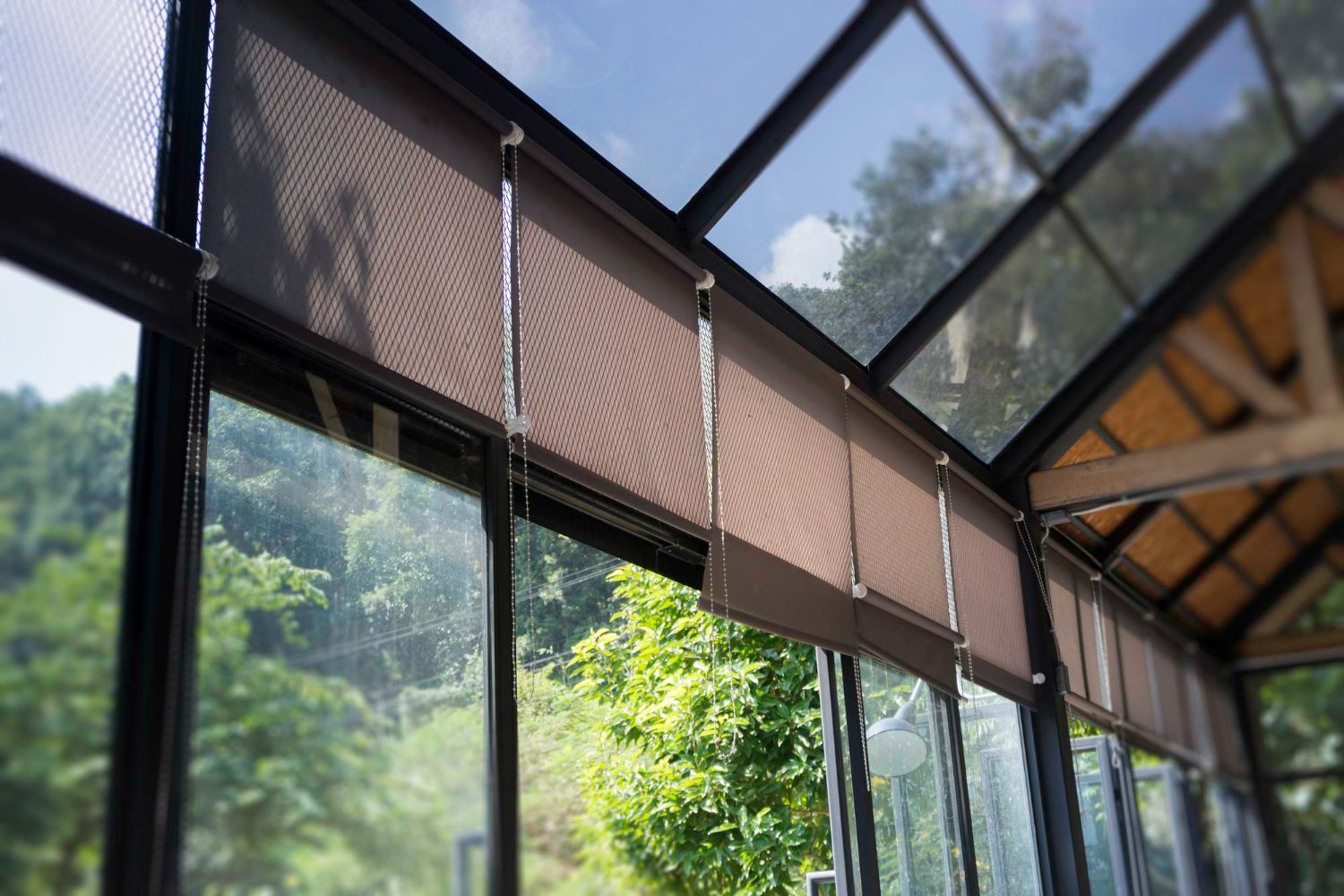
When a screen is mounted under a roof, the cassette, motor, and fabric are protected from direct rain and the harshest wind. On an uncovered deck, those same parts sit out in everything the sky throws at them.
Here is what changes when screens are fully exposed. The motor can work harder when wind pushes on the fabric, and the fabric can stretch, billow, or flap more often. Side tracks or cables can see more stress and get out of alignment faster, and water, dirt, and pollen reach every part of the system.
In the Raleigh area, we see heavy summer storms, strong afternoon sun, sticky humidity, and long pollen seasons. All of that hits exposed screens directly. A motorized screen on an open deck can still make the space more usable, but it will not block sideways rain, stop cold air, or turn your deck into a four-season room.
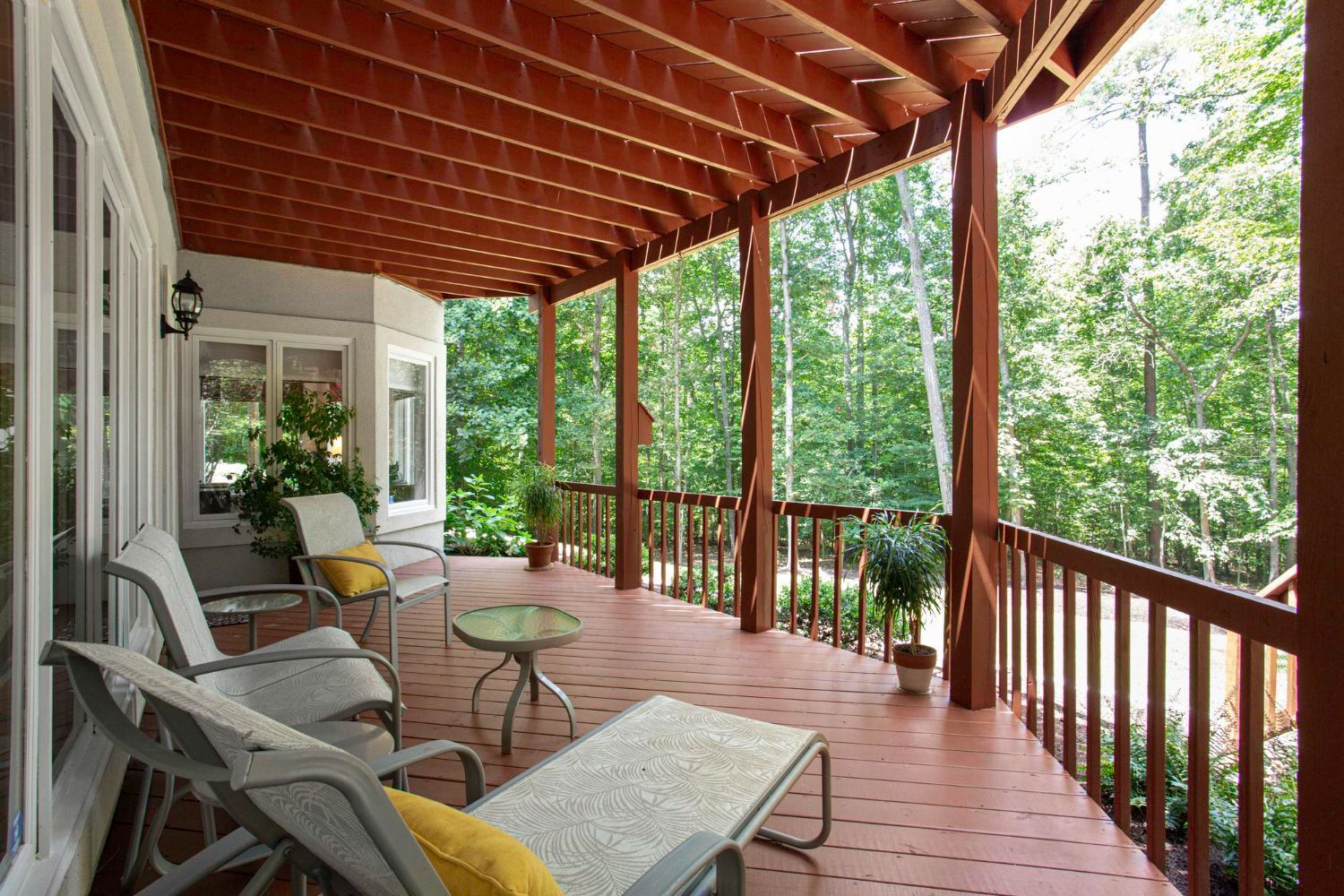
Setting realistic expectations is important. On an uncovered deck, a motorized system is best viewed as a comfort upgrade and bug barrier, not as a full enclosure. For many homeowners, that is still worth it, but it changes how we design and where we recommend extra protection.
Mounting Options for Motorized Screens on Existing Decks
When we look at motorized porch screens on a deck, one of the first questions is: where will the housing and guides attach? The existing structure often decides what we can do, or what we should add.
Common mounting approaches include:
- Surface-mount tracks and cassette to existing deck posts
- Recessing the cassette and side tracks into new or existing framing
- Side-track systems that seal to posts or columns
- Cable-guided systems where full side tracks are not possible
Every option needs solid structure. The screen cassette is heavy, and the motor must be fastened into strong framing, not just thin trim boards. We also need:
- Proper anchoring for the top housing
- Firm, straight surfaces for tracks or cables
- Enough clearance so the fabric drops cleanly
- Safe, code-compliant electrical access for the motor
Design details that are easy to overlook can affect how happy you are with the finished space. That includes where the fabric stops (at the deck boards or at a fascia or trim piece), how the screen lines up with railings so you are not staring at chopped-off views, how doors open and close with screens in the down position, and where furniture will sit so it does not block the screen path.
In many cases, a small framing change makes a big difference. Adding a properly sized header, a couple of posts, or a beam can:
- Give the screen cassette a better mounting surface
- Clean up sightlines so things look built-in, not tacked on
- Reduce gaps at the sides and bottom
- Prepare the space for a future roof or enclosure if you choose to add one later
As a licensed North Carolina general contractor, we can look at the whole structure, not just the screen. That lets us recommend adjustments that protect your system and improve how the deck works as an outdoor room.
Weather Exposure Risks Many Homeowners Underestimate
Full weather exposure is the biggest concern with motorized porch screens on uncovered decks. Over time, rain, wind, and sun all take a toll.
On the fabric and frame, we often see stretching, billowing, or wrinkles from wind pressure. Water spots, staining, and mildew risk can show up in damp, shaded areas, and dirt and pollen buildup can make the screen look dull and can affect movement. Dark fabrics can also fade faster when they sit in direct UV all day.
Mechanically, the system can be stressed when motors lift and lower, against wind pushing on the fabric. Side tracks or cables can flex repeatedly in gusty conditions, limits and sensors can drift out of ideal settings from repeated strain, and screens left down during storms can act like a sail.
Raleigh and the Triangle area add a few extra challenges. Sudden thunderstorms can blow up quickly. Tropical systems and strong remnants can bring higher winds.
For long-term performance, homeowners play a role:
- Retracting screens during storms or very high wind
- Keeping an eye out for dirt and pollen buildup
- Having the system cleaned and checked on a regular basis
- Following care guidance so motors and tracks stay in good shape
We do not recommend trying to service motors or tracks on your own. These are specialty systems that need the right tools and experience. A professional can clean, adjust, and protect your screens so they last longer and operate more smoothly.
When You Need a Roof or a Fully Covered Structure
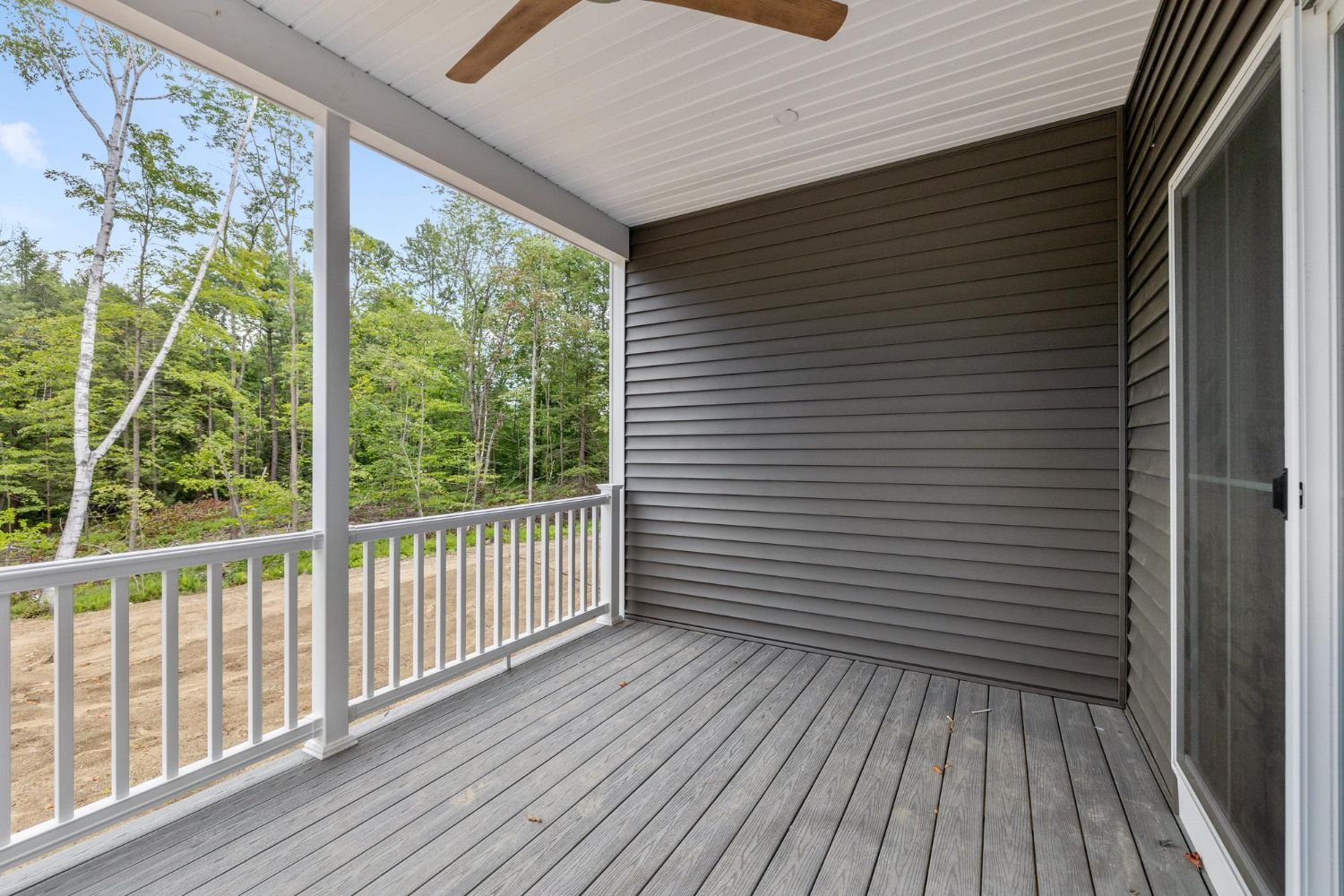
There are clear situations where we strongly recommend a roof or some type of covered structure before investing in motorized screens on a deck. Those include:
- High wind exposure, like open lots or hilltop homes
- Upper-story decks that sit well above surrounding trees or houses
- Decks with no protection from above at all
- Homeowners wanting to use the space comfortably in most seasons
In these cases, the better long-term move is to think beyond an exposed deck. Options often include:
- Extending the existing roof to cover the deck
- Converting part of the deck into a screened porch
- Building a covered patio area that is designed for motorized screens from day one
When you add a solid roof or porch structure, you:
- Keep the cassette and motor out of direct rain and sun
- Reduce wind blowing directly on the fabric
- Gain far better shade, making the space more useful in hot months
- Create a structure that can be enclosed more fully with systems like Eze-Breeze later if you want a three-season room
Because we are a licensed general contractor, we can either coordinate with other trades or handle the structural work as part of a full enclosure project. That way, the framing, roof, and screens are all planned together, not bolted on in separate stages that do not quite match.
Designing the Right Screened Space for Raleigh’s Climate
Every deck and porch is a little different, so we start by looking at the whole setting. When we come to your home, we consider:
- Orientation to sun, especially strong afternoon exposure
- Typical wind direction and any wind tunnels between buildings
- Deck height and how open it is to the surrounding yard
- The current structure and what it can safely support
- Your goals, like bug control, shade, privacy, or extended-season use
Motorized porch screens are one tool in the toolbox. In some spaces, they pair well with other solutions, such as:
- Eze-Breeze, style three-season rooms when you want more protection from weather
- Fixed screens on some walls and motorized panels where you need flexible openings
- Motorized screens integrated with outdoor kitchens or TV areas to reduce glare and bugs on demand
We also walk through design choices so the space feels tailored to your life, not just filled with hardware. Some of those choices include:
- Screen fabric openness and color for view and privacy
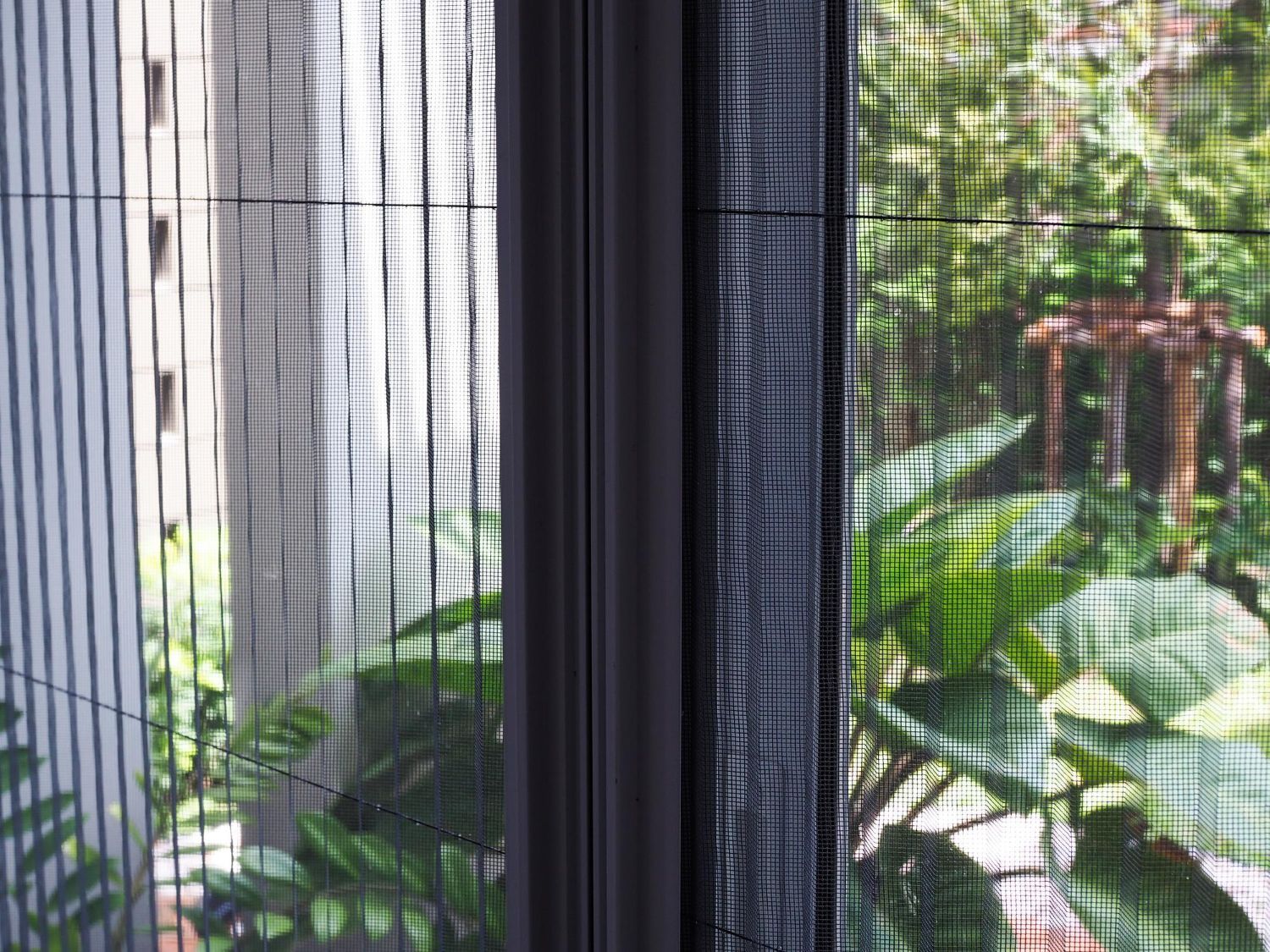
- Insect mesh versus solar- or shade-focused fabrics
- Where control switches go so they are easy to reach
- Remote or home automation options if you want to tie screens to other systems
Planning ahead helps you get the timing and design right. Motorized porch screens, Eze-Breeze rooms, and custom enclosures all involve measuring, ordering, and installation steps. Starting the design process before peak demand helps keep projects on a smoother schedule and gives you more flexibility with choices.
By thinking through structure, exposure, and how you use your outdoor space, we can help you decide whether motorized screens on an open deck make sense as they are, or if adding a covered structure or full porch enclosure will give you a better long-term result.
Get Started With Your Project Today
Transform your outdoor living space with custom
motorized porch screens designed to fit your home and lifestyle. At Raleigh Screen Solutions, we take the time to understand your needs so your new screens look great and work flawlessly season after season. Reach out today so we can answer your questions, provide a tailored quote, and guide you through next steps. If you are ready to begin, simply
contact us and we will follow up promptly.