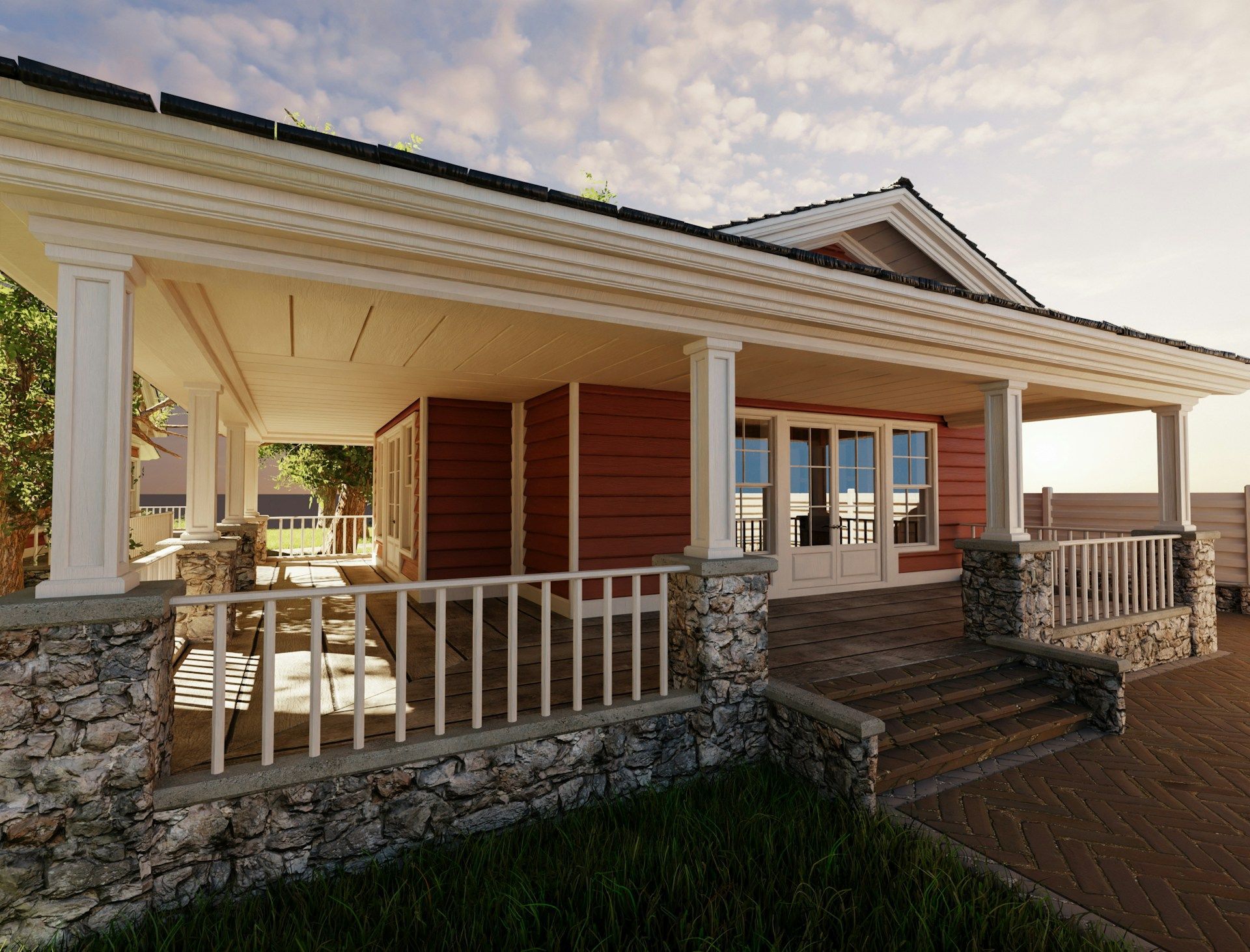
Fix Out-of-Square Porch Openings Before Installing a Screen System
Strong Screening Starts with Straight Openings
Good porch screening systems start long before the first track or panel goes in. They start with porch openings that are square, straight, and solid. When the framing is correct, screens fit tighter, doors work better, and the whole porch feels cleaner and more finished.
Many homeowners first notice problems when something just looks or feels “off.” You might see small gaps where posts meet the beam, or the gap between the floor and the header might be wider on one side than the other. Sometimes a post looks twisted, or the beam above the openings seems to dip in one area. All of these can be signs that your porch openings are out of square.
As a licensed North Carolina general contractor focused on porch screening, we pay close attention to these details before we design any system. Fixing framing issues early protects your investment and helps your porch stay comfortable and low-maintenance for years.
How Out-of-Square Framing Damages Screen Installations
Crooked framing does more than look odd; it puts constant stress on every part of your porch screening systems. When openings are racked out of square, you often see:
- Screen fabric that wrinkles or pulls at the corners
- Frames that twist slightly instead of sitting flat
- Tracks that do not line up from one post to the next
All of that stress shows up over time as sagging, pulled seams, or screens that pop loose in high wind. The system is always fighting against the structure instead of working with it.
Misaligned posts and headers also cause real trouble at doors and large spans. If the opening is wider at the top than the bottom, for example, a door can be:
- Tight at one corner and loose at the other
- Hard to latch or keep latched
- Out of seal, leaving light and air leaks around the edges
When screens are forced to follow a crooked frame, tiny gaps appear where water and pests can sneak in. You may notice water tracking behind the frame, or bugs finding the one weak spot along a post. Ignoring the framing and installing screens anyway usually means more service calls, more adjustments, and more frustration later.
Professional Diagnosis of Porch Opening Problems
Before we talk about any porch screening systems, we start with a thorough porch framing check. That includes a close look at each opening, then the porch as a whole, not just one problem spot.
We typically:
- Visually inspect posts, beams, and headers for twist, bow, or sag
- Measure each opening at several points, from top to bottom and side to side
- Check plumb and level so we know how each post and header relates to the others
From there, we sort out what is just cosmetic and what truly affects performance. A slight wave in a trim board might not matter. A post that leans or a header that dips under load usually does.
We also look for root causes, such as:
- Settling of the porch or the structure it connects to
- Undersized framing that flexes too easily
- Weak connections at beams, joists, or posts
- Old modifications that were never framed correctly
Once we understand why an opening is out of square, we can recommend targeted shimming, reinforcement, or in some cases reframing, instead of guessing and hoping the screens hide the problem.
Shimming, Straightening, and Aligning Posts and Headers
Many porches can be corrected without tearing everything apart. When the structure is sound but just a little out of square, we often use shimming and focused framing adjustments to bring openings back into acceptable tolerances for high-quality porch screening systems.
Common corrections include:
- Shimming behind trim or track attachment areas to create a true, flat surface
- Adding blocking between posts and beams so connections stay solid
- Adjusting or reinforcing post-to-beam joints to reduce twist or lean
The goal is to create consistent, repeatable openings from one bay to the next. That means:
- Straight, aligned surfaces for secure screen track attachment
- Uniform gaps that allow doors to swing and latch smoothly
- Clean lines so the finished system looks like it belongs with the porch, not added as an afterthought
These corrections may be mostly hidden when the work is done, but they make a big difference in how your screened porch feels and performs every day.
Reframe the Opening or Use Custom Screen Tracks
Sometimes an opening is simply too far out of line for shimming alone. In those cases, reframing is usually the better path. We may recommend reframing when we see:
- Severely twisted or split posts
- Rotted or weakened framing members
- Openings that are dramatically out of square on more than one side
Reframing lets us start fresh with straight, solid openings that support long spans, doors, and specialty porch screening systems without constant adjustment.
On the other hand, not every irregularity calls for major framing work. In some situations, custom track layouts or specially configured screening systems can handle minor inconsistencies and still look clean and operate well. For example, we might:
- Adjust track placement to account for slight differences in width or height
- Break a large, irregular opening into more manageable sections
- Use trim details to visually straighten lines while keeping the structure intact
We always weigh durability, function, and appearance when comparing reframing to custom track-based solutions. The goal is a porch that works well, looks right, and holds up over time.
Frequently Asked Questions About Porch Framing and Screening
Do I need to fix my porch framing before adding porch screening systems?
If the framing is significantly out of square, out of plumb, or weakened, yes, it should be corrected first. Proper framing helps the screens seal better, last longer, and require less maintenance.
How can I tell if my porch openings are too out-of-square for a quality screen installation?
Signs include posts that clearly lean, headers that sag in the middle, or openings that measure noticeably different at the top and bottom. A professional assessment is the best way to know what is acceptable and what needs work.
What are the advantages of reframing versus using custom track solutions?
Reframing fixes the structure itself, which often leads to better long-term performance and flexibility for future upgrades. Custom track solutions can work well when the structure is sound but a bit irregular, and they can reduce the amount of framing work needed.
How long does it usually take to correct openings and install a new screened porch system?
Time depends on how much framing correction is needed, how many openings there are, and the type of screening system selected. Simple shimming and track installation may move quickly, while reframing sections of the porch takes longer so everything can be done correctly.
Can Raleigh Screen Solutions coordinate all the framing corrections and screening so I only work with one contractor?
As a licensed North Carolina general contractor serving the Triangle, we are able to handle both the framing corrections and the final screen installation as one coordinated project, which helps keep the structure and the screening system working together as they should.
By Raleigh Screen Solutions
Licensed North Carolina General Contractor Specializing in Porch Screening Systems and Conversions Across the Triangle
Get Started With Your Project Today
Transform your porch into a more comfortable and functional outdoor space with Raleigh Screen Solutions. Explore our customizable
porch screening systems to find the option that fits your home, lifestyle, and budget. If you are ready to discuss your ideas or schedule a consultation, simply
contact us and we will help you plan the next steps.