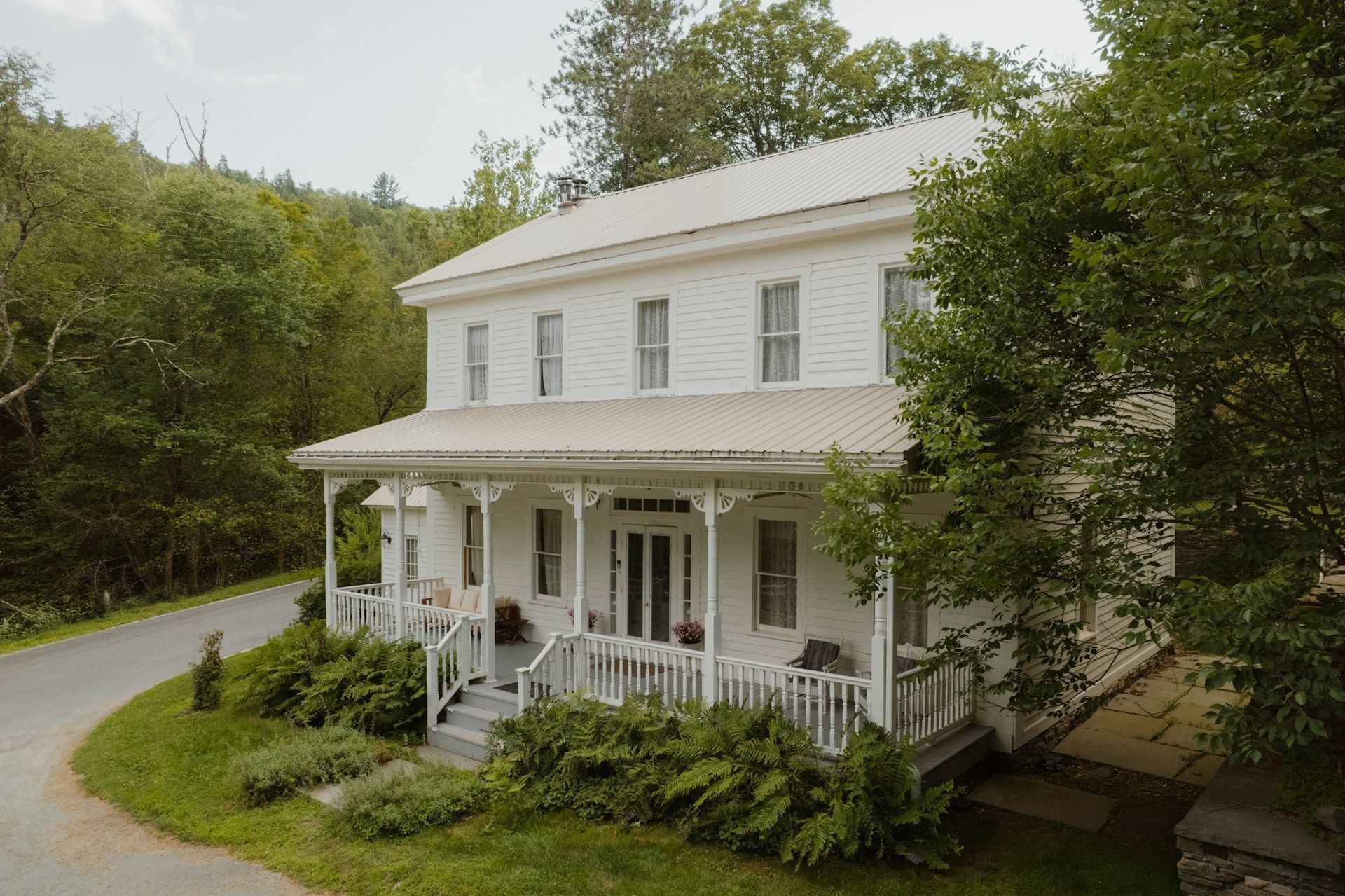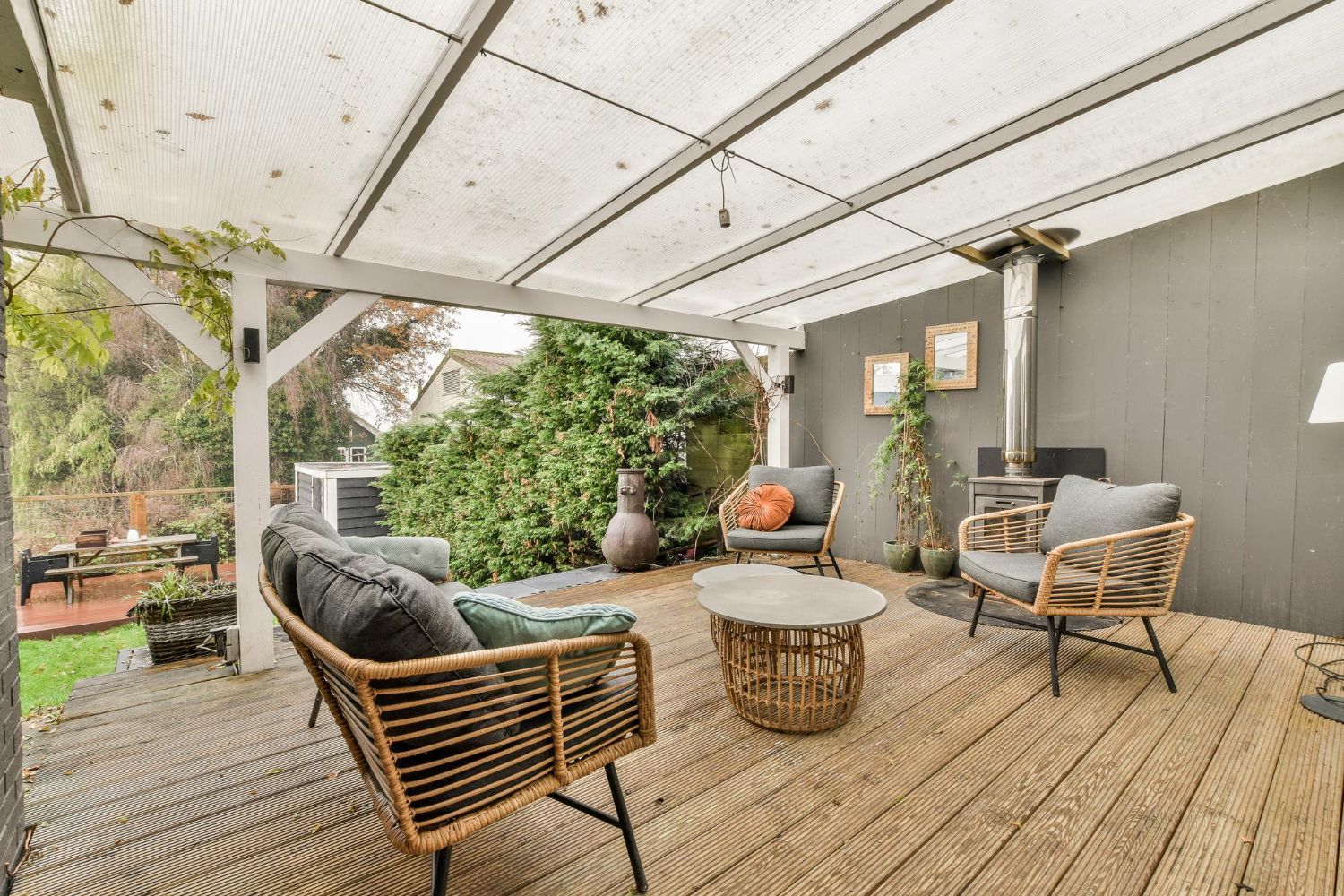
Porch Rescreening in Raleigh: Mesh Options and Durability
Protect Your Porch with Professional Rescreening
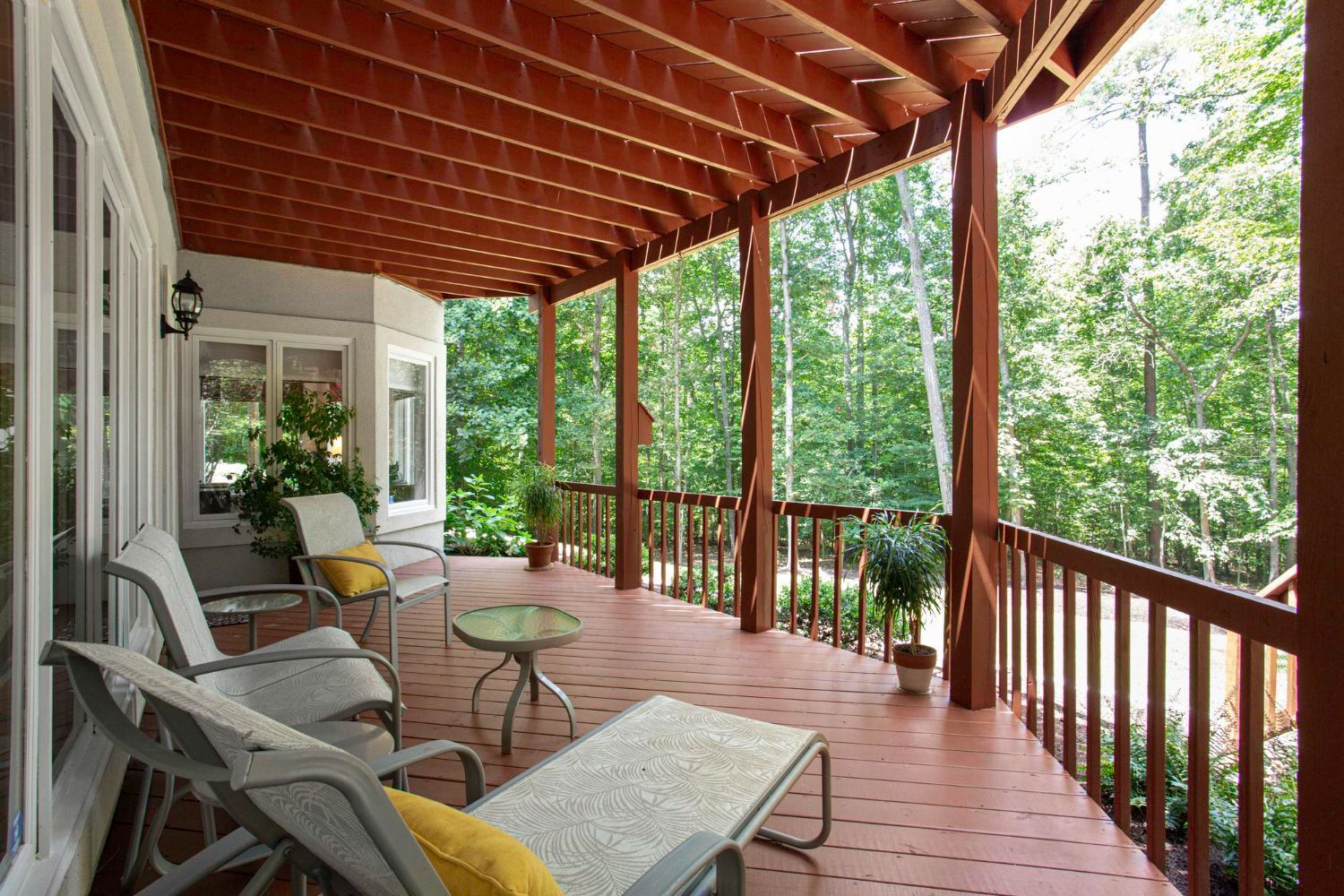
Porch screens do a lot of quiet work. They keep bugs out, soften the wind, and help you enjoy your outdoor space without feeling exposed. Over time, though, those screens can sag, rip, fade, or pull loose from the frame. In the Triangle area, changing weather, UV light, and everyday use all speed that up.
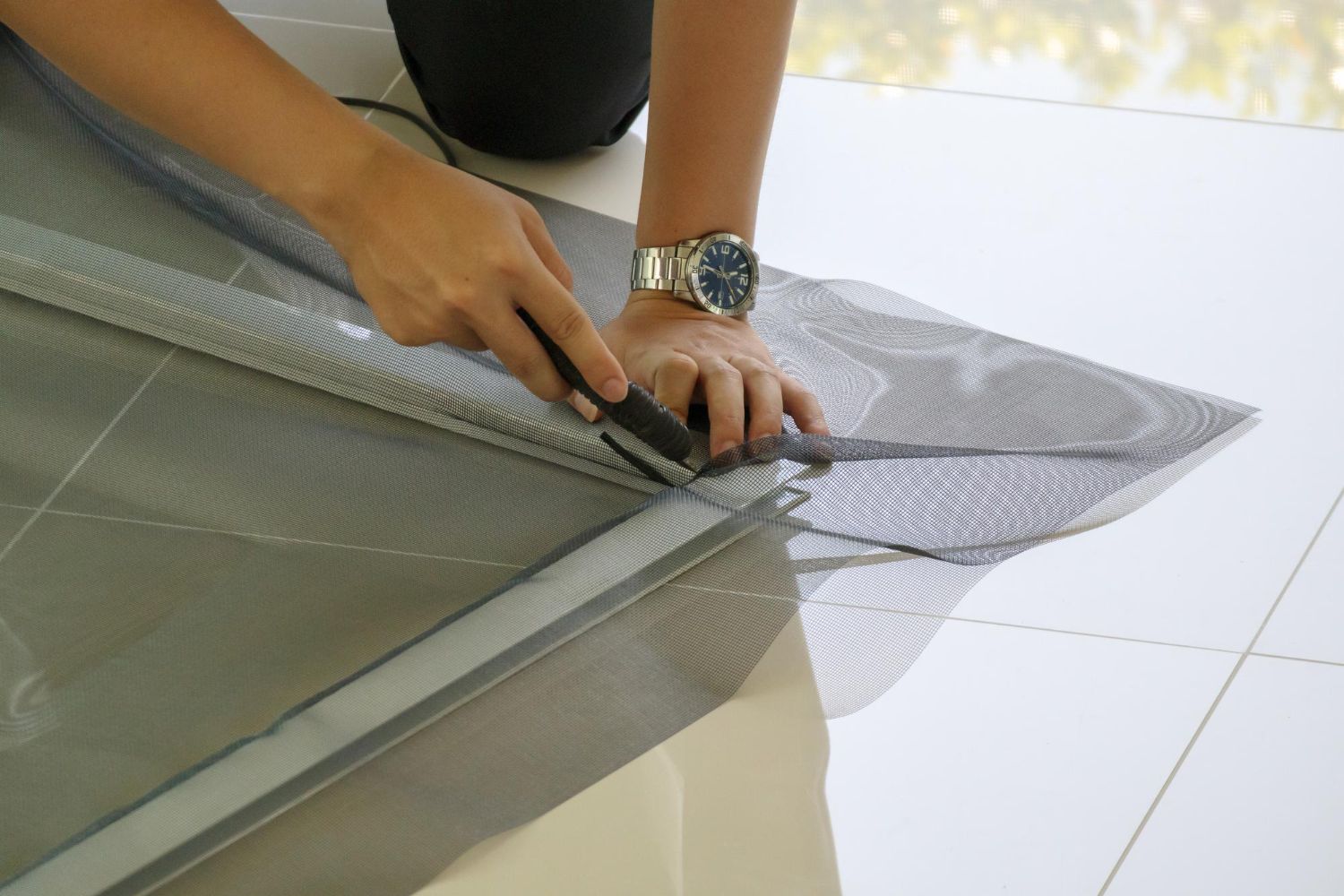
Porch rescreening means removing worn or damaged mesh, checking the framing, and installing new screens with the right tension and fasteners. When this is done by a professional, it brings back comfort, improves how your home looks from the street, and protects the value of your outdoor living space. As a licensed general contractor focused on porch screening and custom outdoor enclosures, we pay close attention to the materials, fasteners, and mesh type so your new screens last and look good.
Why Material Choice Matters for Porch Rescreening
Screen material is more than just what you see when you look out from your porch. It affects how strong the panels feel, how well they stand up to wind and weather, and how often you will need porch rescreening in the future.
Different meshes respond in different ways to common stress:
- Tension: Some materials tighten smoothly and stay snug, others may stretch over time.
- Wind: Stiffer mesh can hold shape better in strong gusts, while flexible mesh can move more without breaking.
- UV exposure: Some fibers hold color and strength longer under sunlight.
- Everyday impact: Pets, kids, and furniture all put pressure on the screen.
Because of this, professional porch rescreening is really a chance to upgrade, not just replace. We look at your existing framing, how much sun and moisture the porch gets, how active your pets are, and how much privacy you want. Then we match those details with the right material so you get a screen system that fits your porch and lifestyle, not a one-size-fits-all roll from a shelf.
Fiberglass Screen Mesh Pros and Cons
Fiberglass mesh is one of the most common choices for porch rescreening. It is flexible and easier to work with, which helps us pull it tight and even across each opening. Because fiberglass is soft, it does not kink or stay dented the way metal mesh can, so small bumps or pushes are less likely to leave a permanent mark.
On the durability side, fiberglass resists corrosion and does not rust. It holds up well in normal weather and everyday use. The trade-off is that it can stretch or tear more easily under sharp claws or heavy contact. If pets lean or scratch at your screens often, basic fiberglass may need to be replaced sooner than other options.
In terms of comfort and view, fiberglass usually offers:
- A softer, less shiny look at a distance
- Good airflow so your porch does not feel closed in
- Pleasant light with minimal glare
For many residential porches, fiberglass is a practical, budget-conscious option that balances strength, airflow, and visibility. When the porch does not get heavy pet traffic or extreme impacts, fiberglass can be an excellent match.
Aluminum Screen Mesh Durability and Visibility
Aluminum mesh gives your porch a different type of strength. It is more rigid than fiberglass, which helps it hold shape and resist stretching. Once we tension aluminum properly during porch rescreening, the panels usually stay very stable over time.
Durability is one of the main reasons some homeowners choose aluminum. It stands up well to normal wear, and it will not rot. However, its rigidity can also be a drawback. A hard hit, a piece of furniture bumping the screen, or a pet running into it can leave a crease or dent that does not bounce back. Those marks often require professional replacement of that panel to restore a clean, even look.
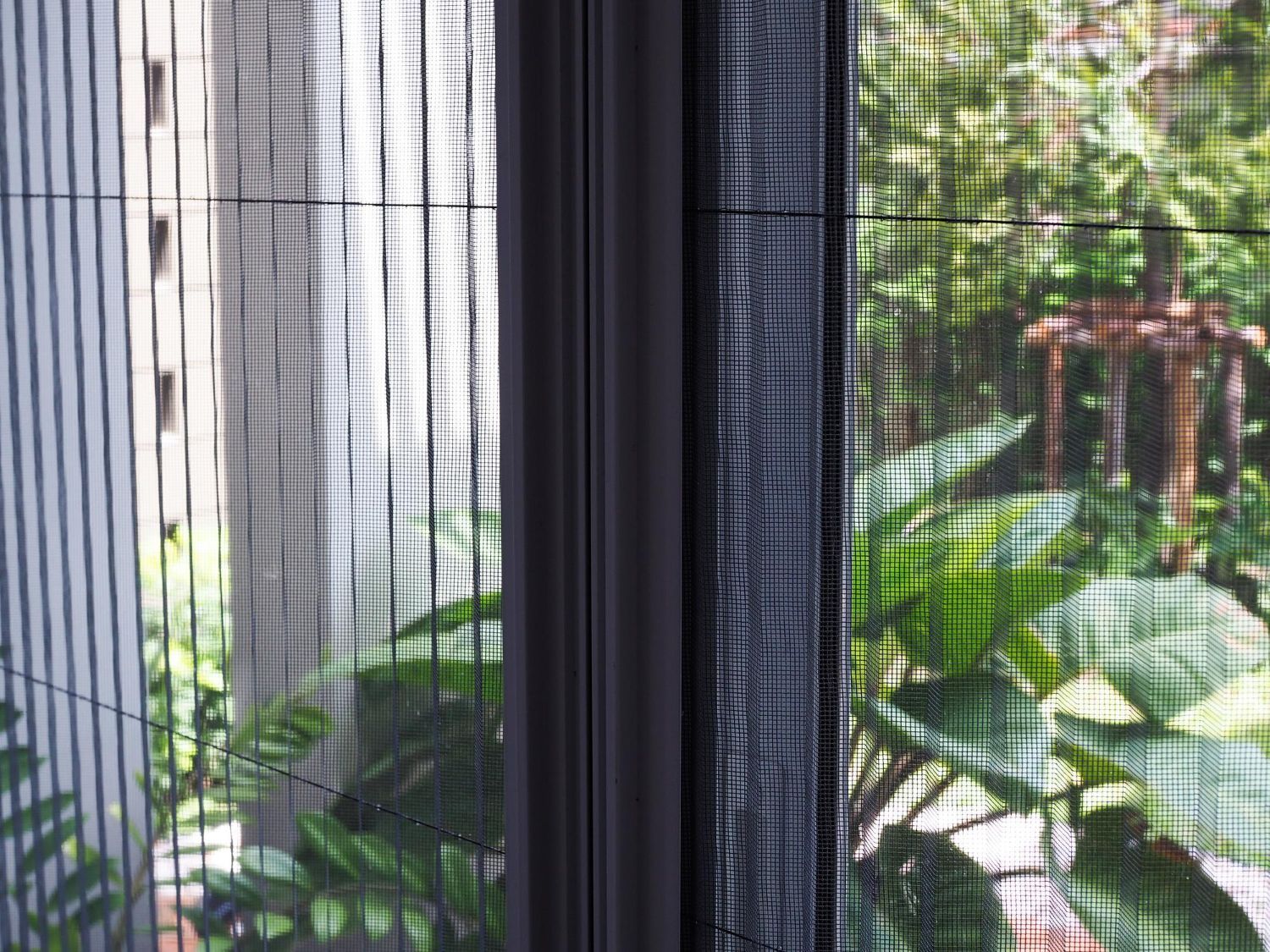
Visibility and appearance with aluminum mesh can include:
- Slightly more visible wires compared to fiberglass
- A bit of shine or glare in certain lighting
- A crisp, more defined grid pattern
When we assess a porch, we consider factors like wind exposure, how close furniture sits to the screens, and how much long-term stability you want. In some cases, especially where stretching has been a problem in the past, we may find that aluminum is a better fit than fiberglass.
Pet and Sun Control Screens for High-Demand Porches
Some porches need more than standard mesh. Pet-resistant and sun-control screens are specialty options designed for higher stress and specific comfort needs.
Pet-resistant screens are built with thicker, stronger fibers or special coatings to handle:
- Scratching and jumping from dogs and cats
- Leaning against the screen while watching the yard
- Frequent bumps and pushes from everyday activity
Sun-control screens focus more on comfort and privacy. They usually have a tighter weave or darker finish that can help:
- Cut down on harsh glare from direct sun
- Reduce some of the heat that builds up on exposed porches
- Provide a bit more daytime privacy from the outside
The trade-off with both types is visibility and light. Because the mesh is usually thicker or more tightly woven, you may notice:
- Slightly reduced clarity when looking out
- A bit less natural light entering the porch
A professional will help balance these trade-offs. If you have large dogs, active kids, or intense sun on one side of the porch, we may recommend a mix of mesh types so you get strength where you need it and a clearer view where you want it.
Fastener Types and How They Affect Longevity
Even the best screen mesh will not perform well if it is held in place with weak or poorly chosen fasteners. The attachment system is what keeps tension consistent and prevents sagging, gaps, or pulled corners.
Common professional methods for porch rescreening include:
- Spline channels that lock the mesh into framed openings
- Cap systems that sandwich the mesh between frame and trim
- Other specialized framing techniques designed for larger spans
The material and quality of the fasteners matter. They need to resist corrosion, grip the mesh firmly, and match the type of framing on your porch, whether it is wood, aluminum, or another material. Proper installation controls how tight the mesh can be pulled without damage and how long that tension lasts.
As a licensed contractor, we choose fasteners with your specific porch frame in mind. That helps prevent issues like loose edges, flapping in the wind, and early failure of the mesh, even if you pick a high-strength screen material.
Matching Screen Options to Your Porch and Lifestyle
There is no single mesh that works best for every porch. The right combination depends on how you actually use your space and what your porch has to deal with day after day.
When we evaluate a porch in the Raleigh area, we look at:
- Framing condition and size of openings
- Sun and moisture exposure from different sides of the home
- Pet traffic, kids’ play areas, and furniture placement
- Desired privacy level and preferred view to the yard
From there, we match mesh type and fastener system so everything works together as a single porch screening system. For example, a homeowner might end up with pet-resistant mesh along the lower sections, fiberglass or aluminum above eye level for a clearer view, and a fastening method designed for their specific framing.
Treating porch rescreening as a full system, instead of just swapping mesh, helps protect your investment in an outdoor enclosure. It reduces the need for repeated small repairs and keeps the space more comfortable and attractive over the long term.
Get Started With Your Project Today
If your screens are worn, torn, or letting in bugs, we can help restore your porch to a clean, comfortable space with professional porch rescreening. At Raleigh Screen Solutions, we take the time to assess your porch and recommend materials that fit your home and how you use the space. Reach out today to discuss your project, get a straightforward estimate, or schedule service through our contact us page.