Motorized Porch Screens in Raleigh: Permits, HOA Rules, and Wiring
Transform Your Raleigh Porch with Smarter Screening
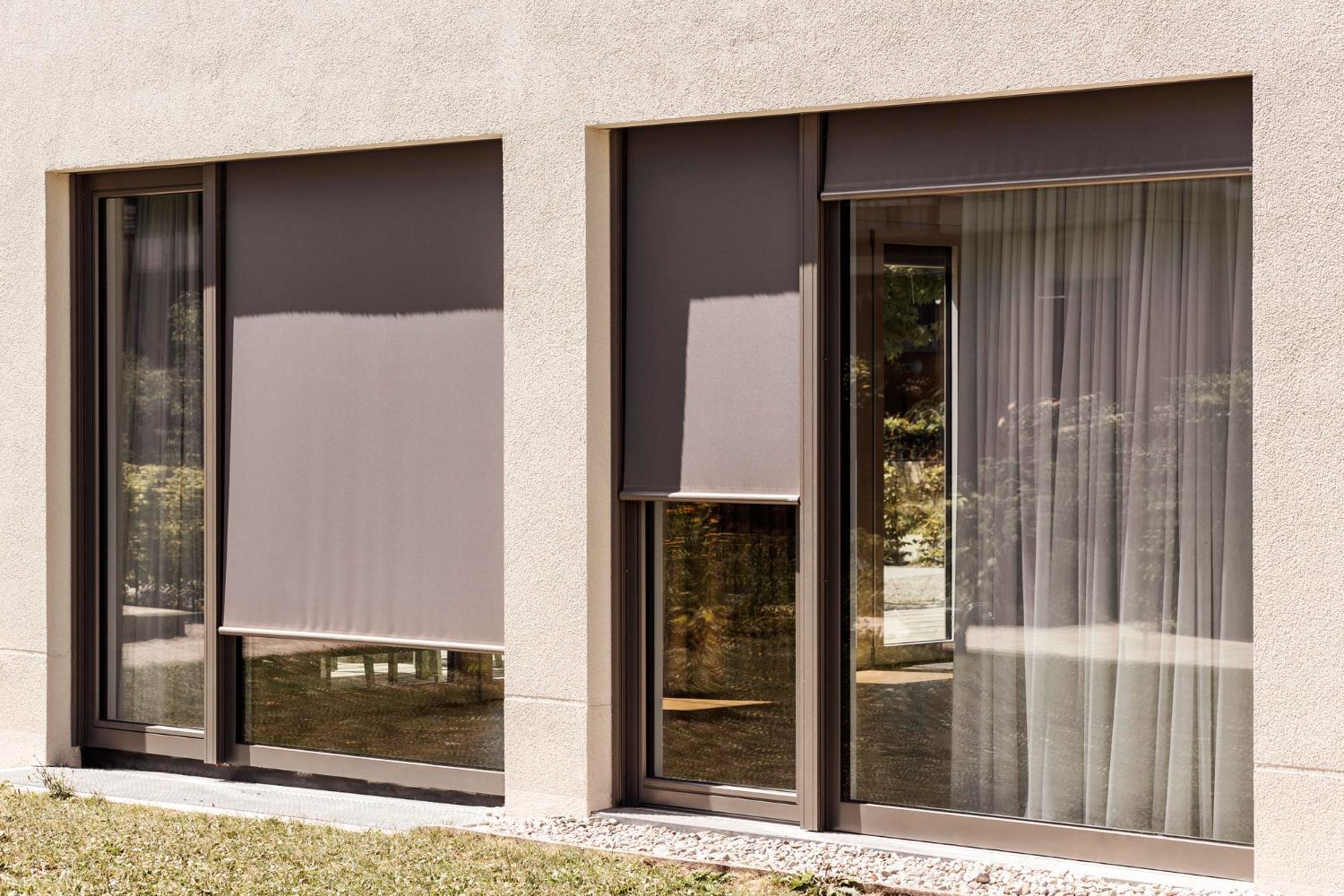
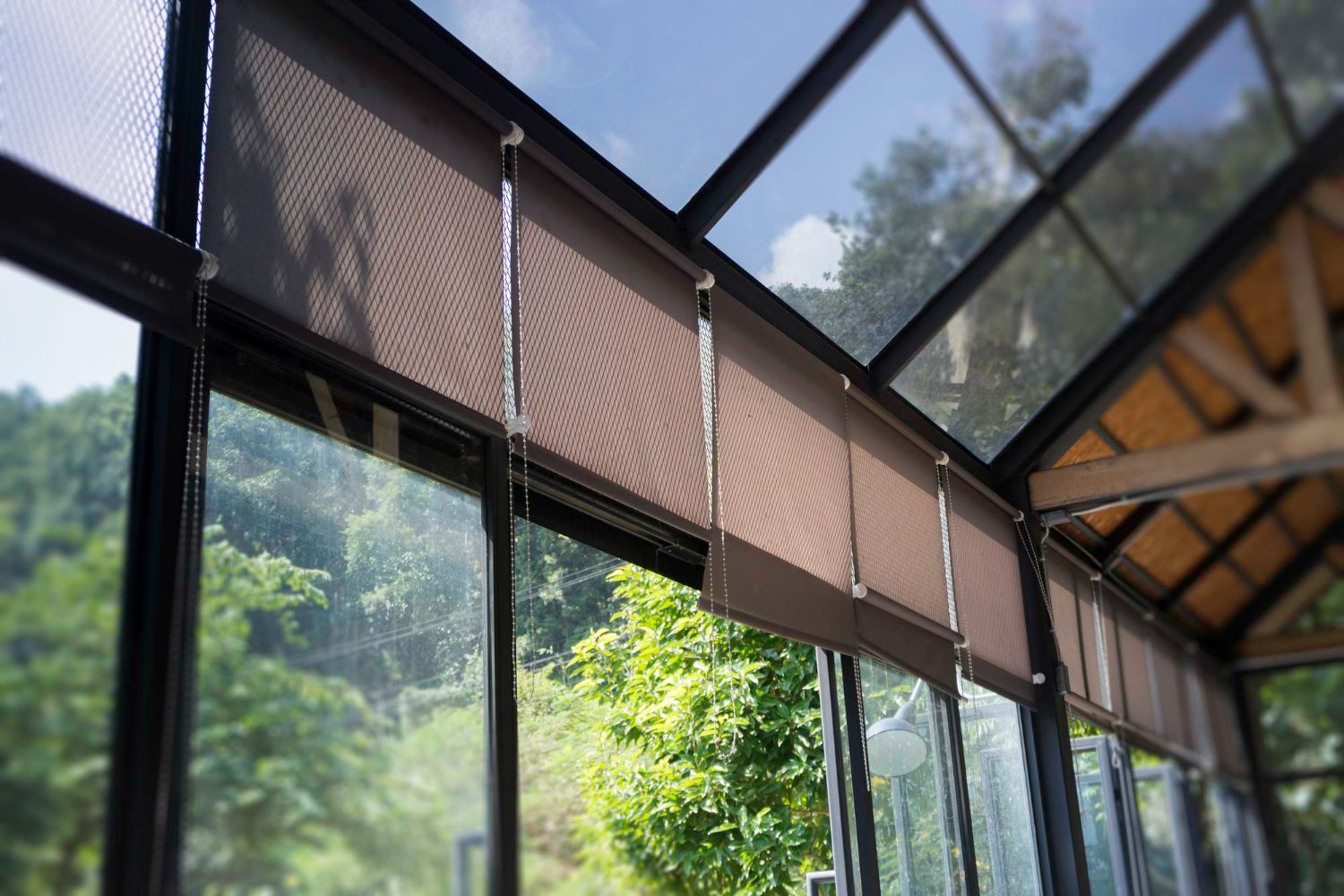
Motorized porch screens turn a regular porch into a flexible outdoor room you can control with a switch or remote. The screens roll up into a housing when you want open air, then lower to block bugs, sun, or prying eyes when you want a more private space. You still keep the feel of being outside, but you gain much more control over how and when you use your porch.
For Raleigh homeowners, this can mean more comfortable evenings, fewer mosquitoes, and a space that works for family time, quiet mornings, or hosting friends. Motorized porch screens help with:
- Comfort, by blocking some heat and glare
- Privacy, by softening views from neighbors and the street
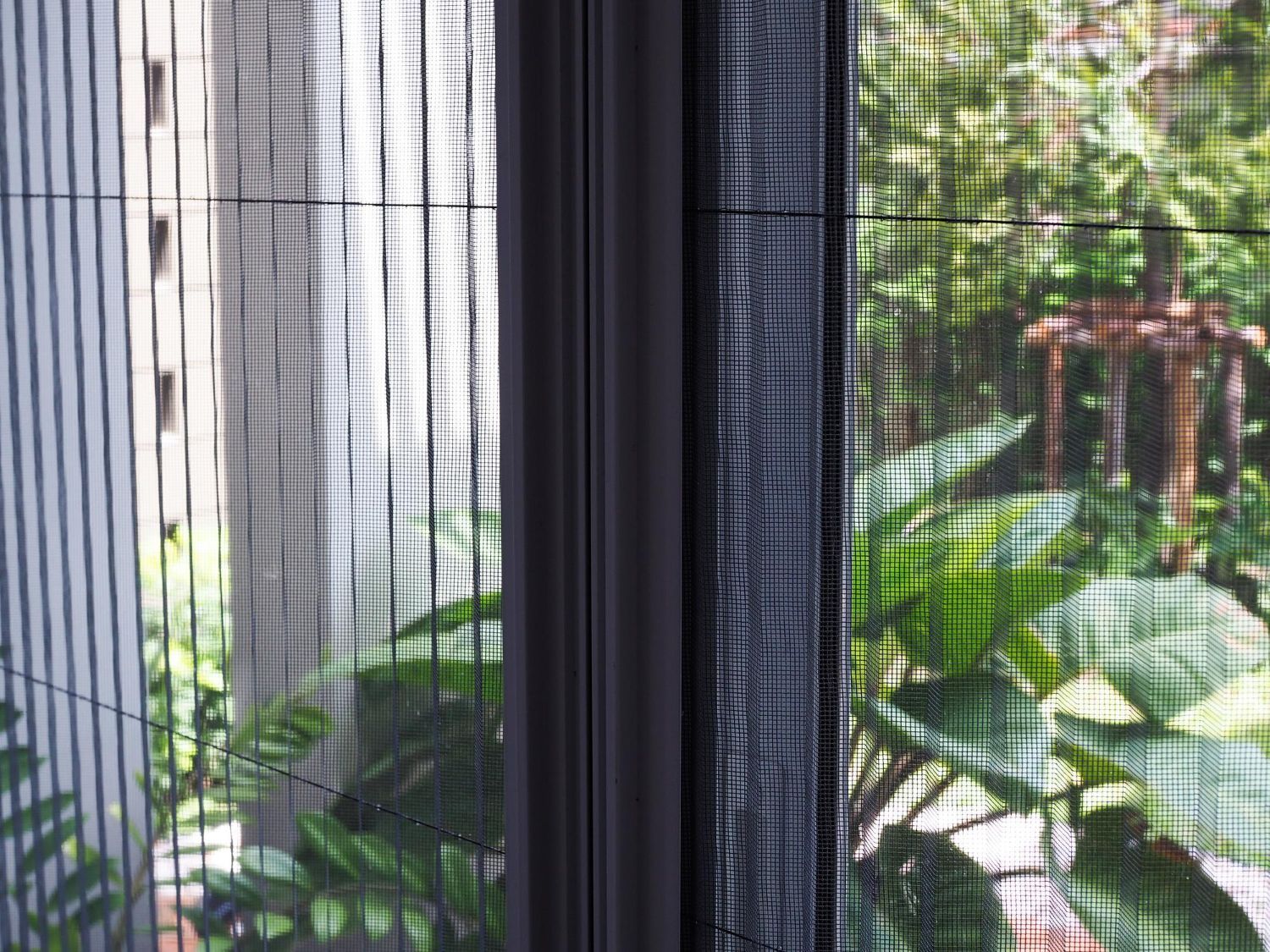
- Pest control, by keeping bugs and debris out of your sitting area
- Flexible use, by letting you change the space in seconds
To get those benefits, you need more than a good screen system. Permits, HOA rules, and the right electrical and wiring plan all play a big part in how smooth your project goes and how well your screened room works long term.
When Motorized Porch Screens Require Permits in Raleigh
Adding motorized porch screens can be simple, or it can cross into construction that needs building permits in the City of Raleigh or Wake County. The difference often comes down to how much of the existing porch structure is being changed and how permanent the new work is.
Permits are commonly triggered when a project includes:
- New or altered framing, beams, or posts
- New footings or changes to the porch foundation
- Roof tie-ins, such as extending or modifying the roof
- Electrical additions that are part of the permanent structure
Once you move from a basic open porch to an enclosed or semi-enclosed room, building codes can apply to how the structure is framed, supported, and wired. Inspectors want to see that load paths are correct, connections are secure, and any changes meet current standards. This protects your home from problems like sagging, water intrusion, or unsafe wiring buried in finished surfaces.
Working with a licensed North Carolina general contractor keeps all of this under control. A licensed contractor understands how local codes apply to screened porch conversions and motorized systems. That means:
- The right permits are pulled when required
- Plans match code requirements from the start
- Inspections are passed without repeated visits
- You avoid tearing out finished work to fix hidden issues
Instead of guessing what needs a permit and what does not, you get a clear plan before work begins.
Understanding HOA Rules Before You Plan Your Screens
Many Raleigh neighborhoods have homeowners associations that care about how the outside of homes look from the street and common areas. Even when the work is on the back porch, HOAs often want a say in design details.
Common HOA concerns with motorized porch screens include:
- How the porch looks with screens up and down
- Color and style of the screen housing and trim
- Whether the screens change the appearance of the rear elevation
- Motor noise, especially in quiet areas or townhome communities
- Light spill or glare affecting neighbor properties
Some HOAs want to be sure the porch still looks open when the screens are retracted. Others care that colors match existing trim or that hardware is as discreet as possible. Many will ask for drawings or descriptions before they give written approval.
This is where clear documentation helps a lot. Good HOA packages usually include:
- Simple drawings or sketches of the porch with and without screens
- Notes on materials, colors, and finishes
- A basic description of how the motorized system works
When you have detailed information ready, the review process is usually smoother and faster, with fewer back-and-forth questions.
Electrical Requirements for Motorized Porch Screens in Raleigh
Motorized porch screens need power, and that means planning for safe, code-compliant electrical work. Even if the motor itself is small, it still needs proper wiring, protection, and control.
Most screened room projects should consider:
- A dedicated circuit or confirmed capacity on an existing circuit
- Power for screen motors and controls
- Switching or remote receivers in convenient locations
- Power for ceiling fans, lighting, or other porch features
In many cases, a permit is required for this electrical work, especially when new wiring is run through walls, ceilings, or framing. Licensed electricians follow the National Electrical Code along with local amendments in Raleigh. This includes:
- Correct wire sizing and overcurrent protection
- GFCI protection where required near outdoor or damp locations
- Proper weather-rated boxes and covers
- Secure support and routing so wires are not pinched or stressed
When the electrical work is planned as part of the overall porch design, the result is safer, cleaner, and more reliable. You want motors and controls that work every time without tripping breakers or buzzing at odd times.
Coordinating all of this through a single team, instead of hiring separate trades on your own, helps keep the screen system, structure, and wiring in sync.
Smart Wiring Layouts for Reliable Screened Rooms
A good motorized porch screen project thinks about wiring early, not as an afterthought. Where wires run and where devices are located will shape how easy the space is to live in and maintain.
Key layout questions include:
- Where will you stand when you want to lower or raise the screens?
- Do you prefer wall switches, handheld remotes, or both?
- Where should outlets be for fans, decor, or a TV?
- Do you want the option to add heaters or smart controls later?
Good wiring design has to balance function with protection and appearance. That usually means:
- Keeping wiring out of direct moisture and away from areas that flood
- Routing through framing in ways that do not weaken posts or beams
- Using proper conduit or protection where wires are exposed
- Hiding as much as possible for a clean, uncluttered look
Access is another big piece. If something needs service later, you do not want to rip open ceilings or trim to get to a small connection. With thoughtful planning, access points and junctions can be placed where they are reachable yet discreet. This helps long-term maintenance and keeps your screened room looking finished and intentional, not patched together.
Partner with Raleigh Screen Solutions for a Turnkey Project
Permits, HOA rules, electrical codes, and wiring paths can feel like a lot when all you really want is a more comfortable porch. You should not have to sort through building documents, code books, and approval forms on your own just to enjoy motorized porch screens.
At Raleigh Screen Solutions, we focus on custom porch screening and screened porch conversions for homes in Raleigh and the surrounding Triangle area. Our team handles the full process, from designing the layout and planning structure changes, to preparing clear information for HOA review, to coordinating with licensed electricians for all electrical and wiring work. That approach keeps your project organized, safe, and ready for reliable, everyday use.
Get Started With Your Project Today
Transform your outdoor living space with Raleigh Screen Solutions and enjoy a more comfortable, usable porch in every season. Explore how our motorized porch screens can add privacy, shade, and bug protection tailored to your home. If you are ready to talk through options, budgets, and timelines, simply contact us and we will help you plan the right solution.