Licensed Contractor Porch Screening in Raleigh, NC
Porch screening can look simple from the street. Then you start thinking about real life, doors that need to swing right, clean lines that do not ripple, and corners that do not turn into bug entry points. That is where the person leading the job matters. When we plan screen solutions for a porch, we are not just filling openings with screen. We are planning how the whole space will work, how it will hold up, and how it will feel day to day.
A licensed general contractor brings structure to that process. In Raleigh, North Carolina, that can mean fewer surprises, clearer steps, and a finished porch that feels solid and comfortable. We will walk through what that license really means on a porch screening project, the problems it helps prevent, what protection it gives you during the work, and the kinds of questions worth asking before a job starts.
What A Licensed General Contractor Actually Does On A Porch Screening Job
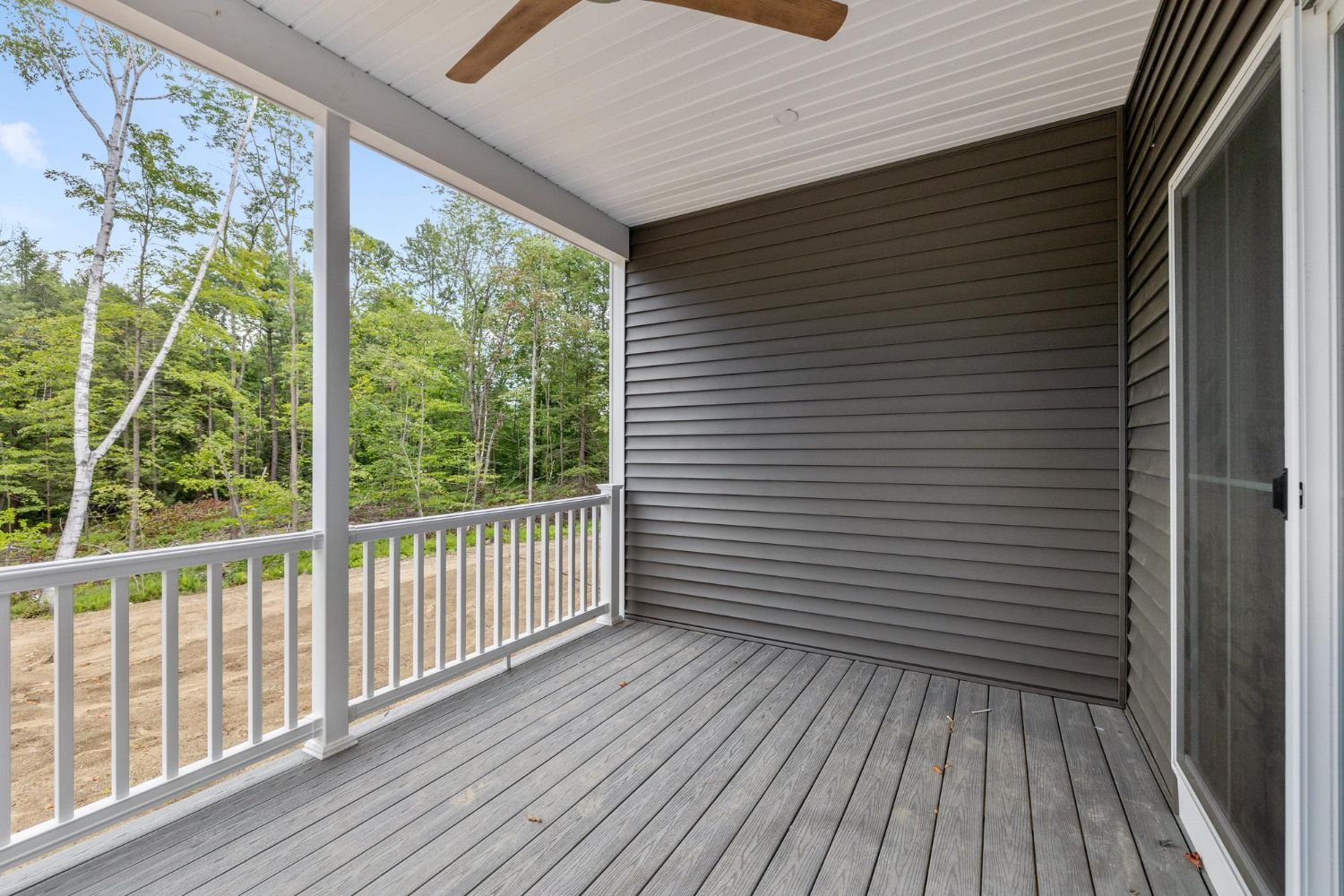
A porch screening project has more parts than most people expect. Openings have to be measured, framed, and finished so the screen stays tight and the door works the way it should. The roofline and posts matter, too, since a porch is tied into the outside of your home.
When a licensed general contractor leads the job, we are stepping in as the person responsible for the whole build, not just a single task. That includes planning how each piece connects so the final porch feels like one complete system. We carry a North Carolina general contractor license (NC General Contractor 105499), which adds a clear layer of responsibility to the work.
Here is what that leadership often covers:
- Planning the scope from the start so nothing important gets skipped later
- Coordinating labor and materials so the work moves in a clean, logical order
- Watching for structural details, like framing changes or roof tie-ins, that can affect how everything fits
- Handling permit and inspection steps when a project crosses into work that needs them
That last point surprises people. You might be thinking, "It's just a screened porch." But if the job touches structure, changes openings, or affects parts of the roof system, there are times when local rules matter. A contractor's license is not just a piece of paper. It is about accountability and knowing when a porch project is simple, and when it needs a tighter plan.
Common Porch Screening Problems In Raleigh That Good Oversight Helps Prevent
Many porch issues show up after the crew leaves, once the porch has been lived in for a bit. Screens loosen. Doors rub. Tiny gaps appear in corners. These problems often trace back to planning and build details, not the screen material itself.
Local weather can play a part. Heat and humidity shifts can stress frames and fasteners over time, and strong storms can test how tight the install really is. When a project is run with strong oversight, we look at these realities from the start, so the porch performs as intended.
A few common trouble spots we watch for:
- Fit and alignment problems, like wavy screen lines, loose panels, or doors that do not close smoothly
- Water control issues around roof edges and transitions, where runoff can end up in the wrong place
- Tiny gaps at floor lines, post wraps, and tight corners, where bugs and pollen can get through
A porch can look great on day one and still be set up for frustration later. Good oversight focuses on the parts you will notice after the new feeling wears off, so your screened space stays comfortable instead of becoming another item on the home fix list.
How A Licensed Contractor Protects You During The Project
One of the biggest stress points for homeowners is not knowing who is in charge. When multiple people are involved, it can feel like questions bounce around, and no one owns the final result. With a licensed general contractor, there is a clear lead and a clear line of responsibility.
That protection shows up in a few practical ways.
- You get a cleaner scope. Everyone understands what is included and what is not, so fewer items become surprise extras.
- You get safer job control. Porch screening can involve tall openings, ladders, and work near rooflines. We treat safety as part of the plan, not an afterthought.
- You get code and permit awareness. We do not guess. We look at what the project involves and handle the right steps when local rules apply.
- You get clearer communication. A well-run project has a simple rhythm. You should know what is happening next, when people will be on site, and what the finish checks will look like before the job is called done.
Questions To Ask Before You Hire Someone For Porch Screening
Most people do not hire porch screening help every year, so it is normal to feel unsure about what to ask. The goal is not to grill anyone. It is to confirm you are handing your porch to someone who can manage the full build and stand behind the choices made along the way.
It helps to ask questions in plain language, like:
- Are you licensed for the type of work this project needs, and are you insured for it?
- Have you worked on porches like mine, such as large openings, tall posts, or tricky roof lines?
- What screen and frame options make sense for how we use this porch (pets, kids, heavy pollen, strong sun)?
- If a panel gets damaged later, what does future porch screen repair usually look like?
That last question matters more than people think. Wear and tear happens, and storms happen. A screened porch is meant to be lived in, not treated like a museum. Knowing there is a clear path for screen repairs helps you feel more confident about the long-term comfort of the space.
What The Process Looks Like When It Is Run The Right Way
A smooth porch screening project starts with a careful look at the whole space, not just the open holes where screen will go. Posts, beams, floor edges, and roof transitions can all affect what is possible and what will last.
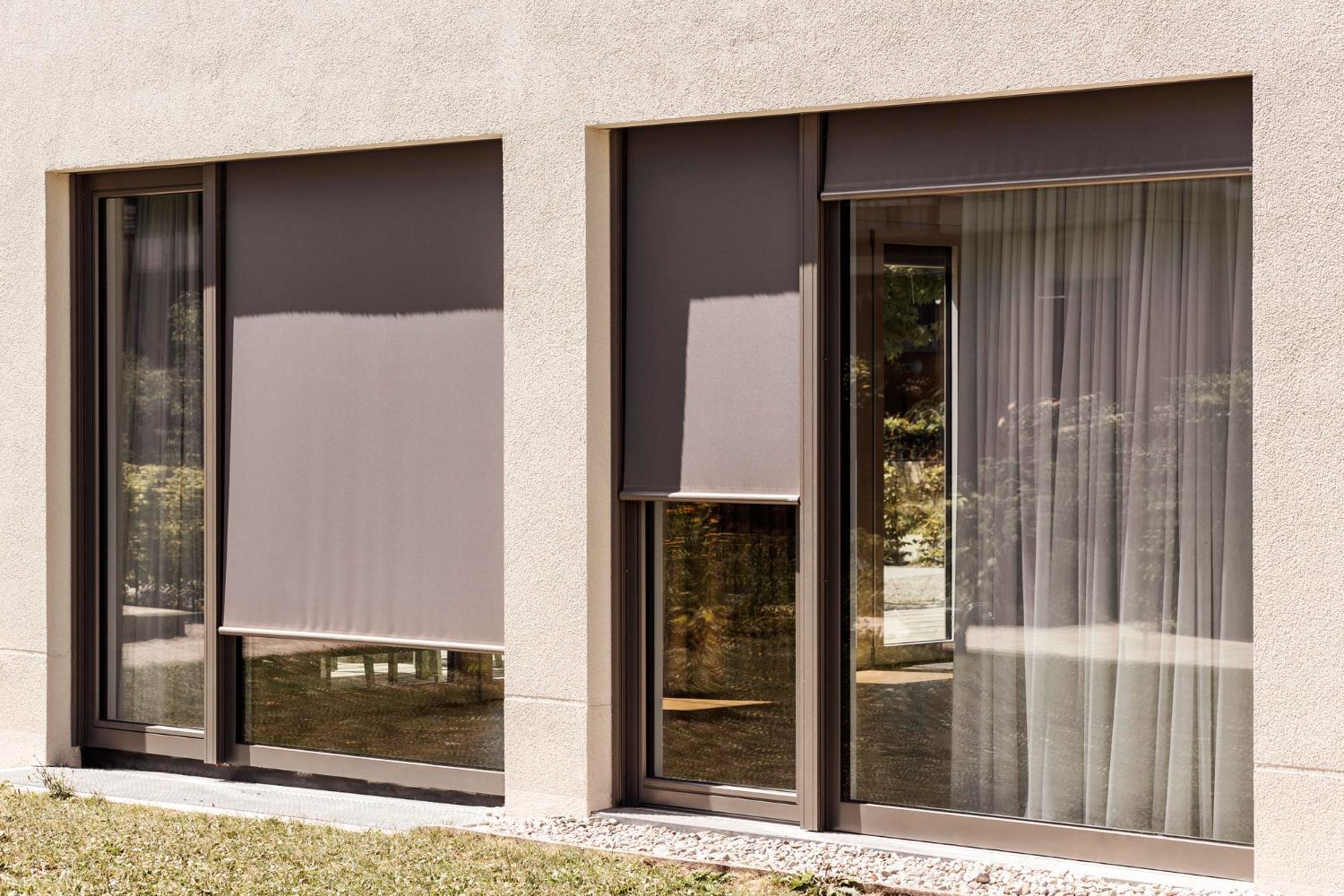
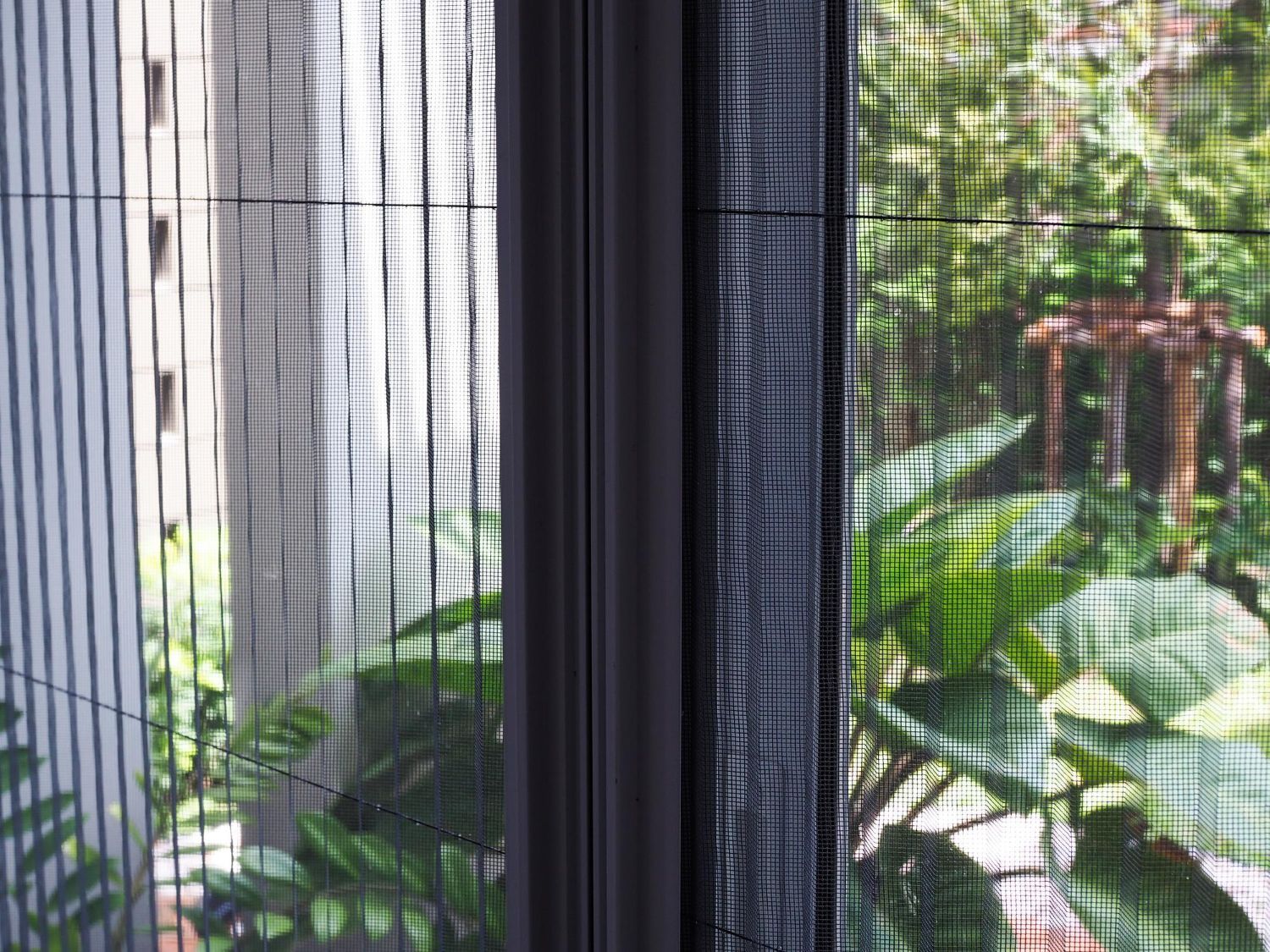
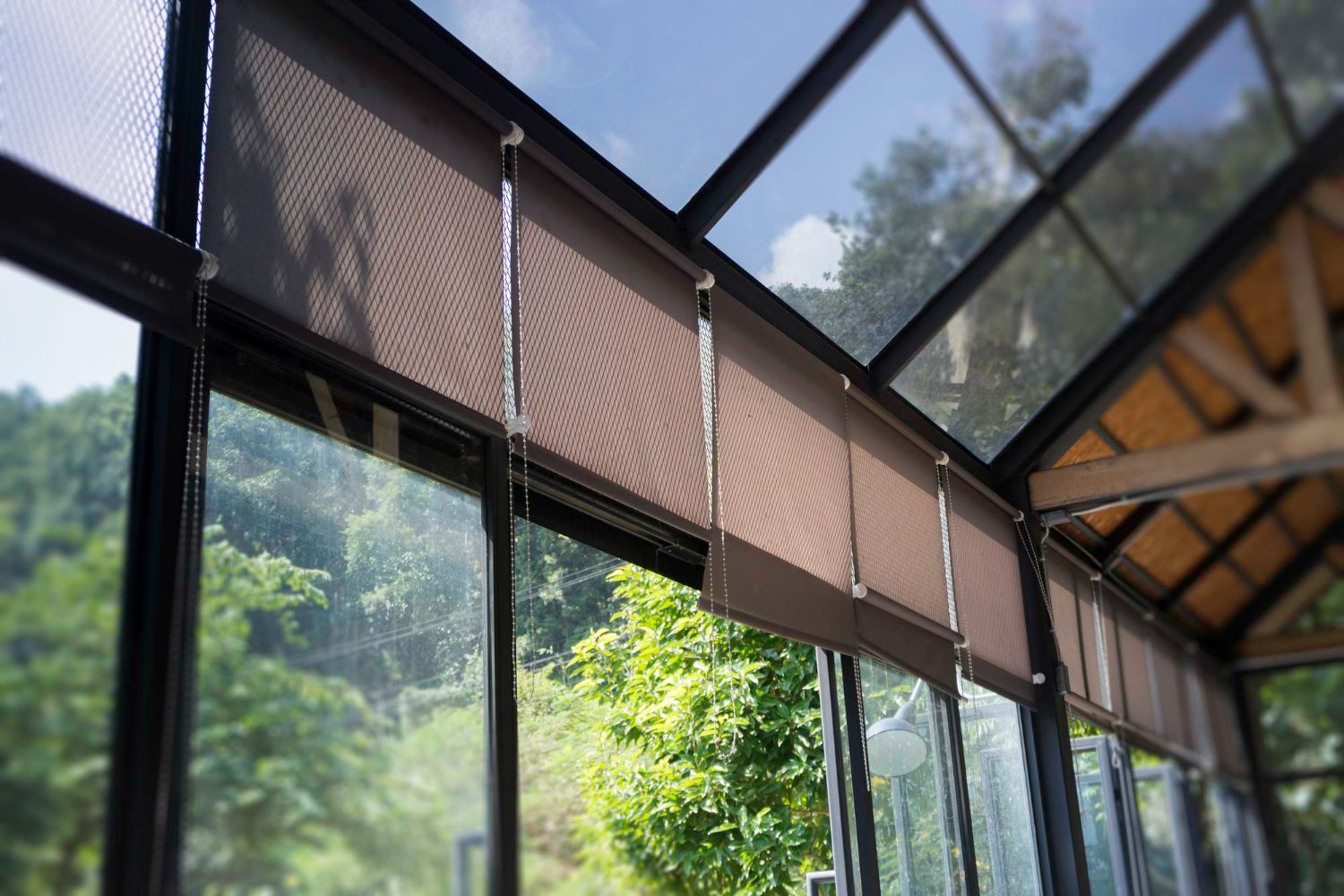
From there, the plan usually gets clearer fast. We talk through how you want to use the porch, what parts need to open, and what kind of feel you want, wide open views, more privacy, or a mix. Some homeowners want fixed panels. Others want openings that can change based on the day. Some want stationary or motorized insect screens, plus solar shades, to help with bugs and sun. There are good options on all sides, and the right pick depends on your porch and your habits.
Then comes the build and finish. The details people notice most are the simple ones, straight lines, tight edges, and doors that move easily. A final walk-through should focus on function. Screens should feel firm. Corners should look clean. Openings should work the way they were meant to work.
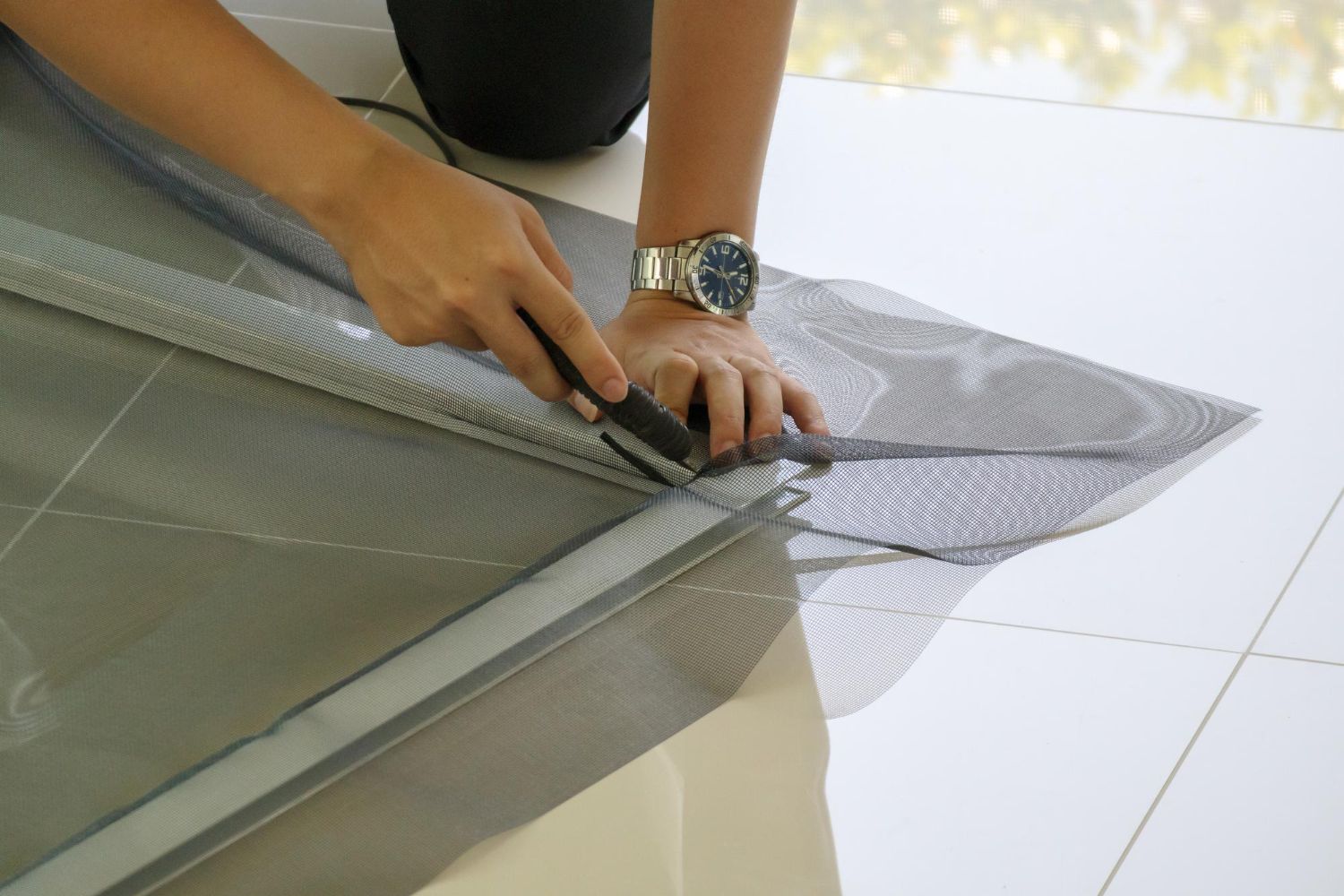
After that, the best plan is knowing who to call when normal wear shows up. Professional rescreening and repair support keeps the porch usable without turning into a recurring headache.
A Calmer Porch Starts With The Right Person Leading The Work
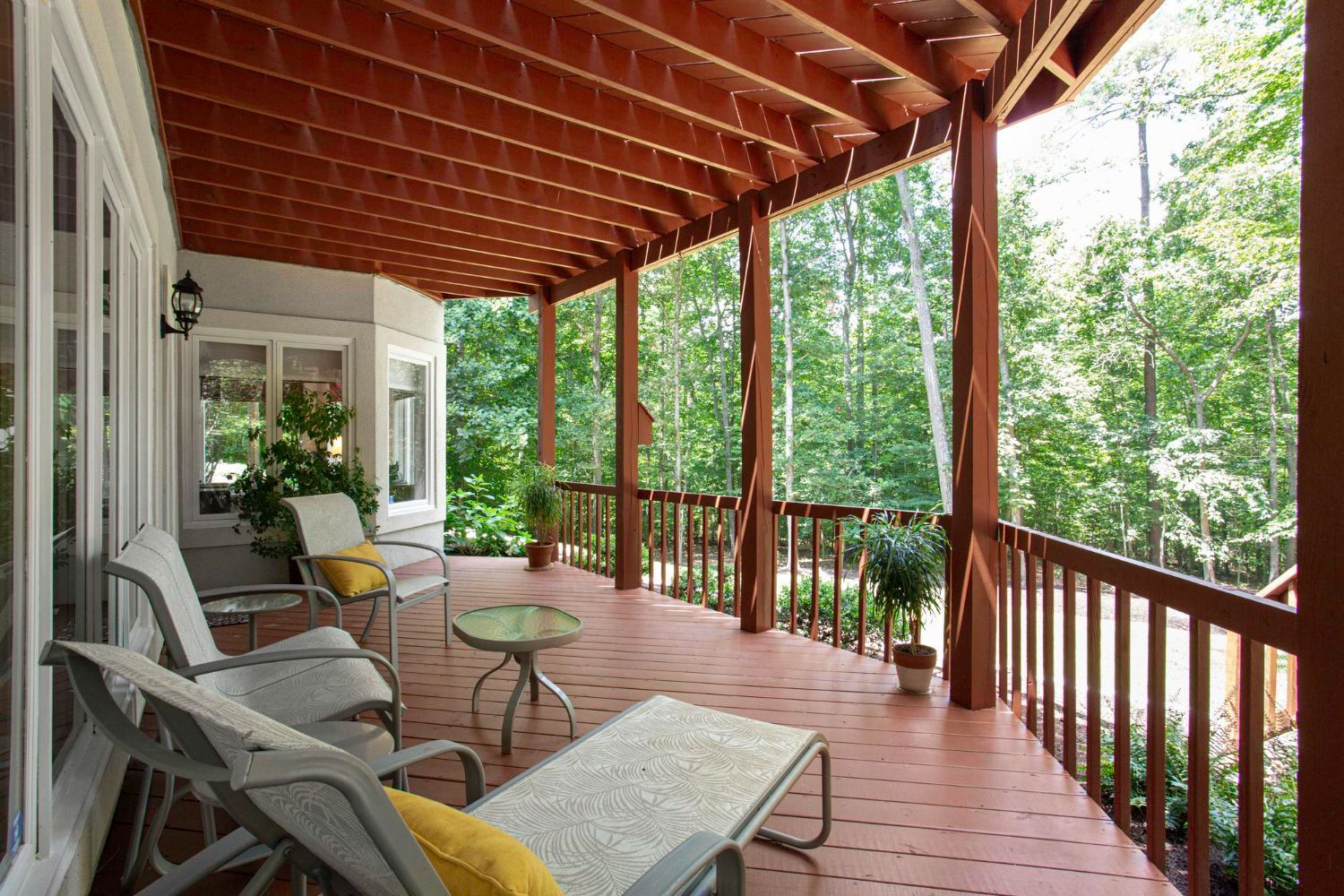
Porch screening is part comfort, part protection, and part construction. When it is led well, the space feels easy to use. Doors work smoothly, screens stay tight, and the porch feels like it belongs with the rest of the home.
A licensed general contractor brings planning, coordination, safety, and code-aware decisions to the job. That oversight is what keeps small build details from turning into big annoyances later.
When a porch is planned and built the right way, it becomes an easy place to relax without worrying about loose screens or small gaps later. Our approach to
screen solutions focuses on how the porch is framed, how the openings operate, and how everything holds up with everyday use in Raleigh, NC. Now that we operate as a licensed general contractor, we look at the full picture instead of just the screen panels. That means clearer steps, better oversight, and a porch that feels like part of your home, not an add-on. Thinking about screening your porch? Contact us today to talk through your space with Raleigh Screen Solutions and see what makes the most sense for your home.